Demystifying PR for Indie Makers: Why AI is Your New Secret Weapon for Getting Noticed
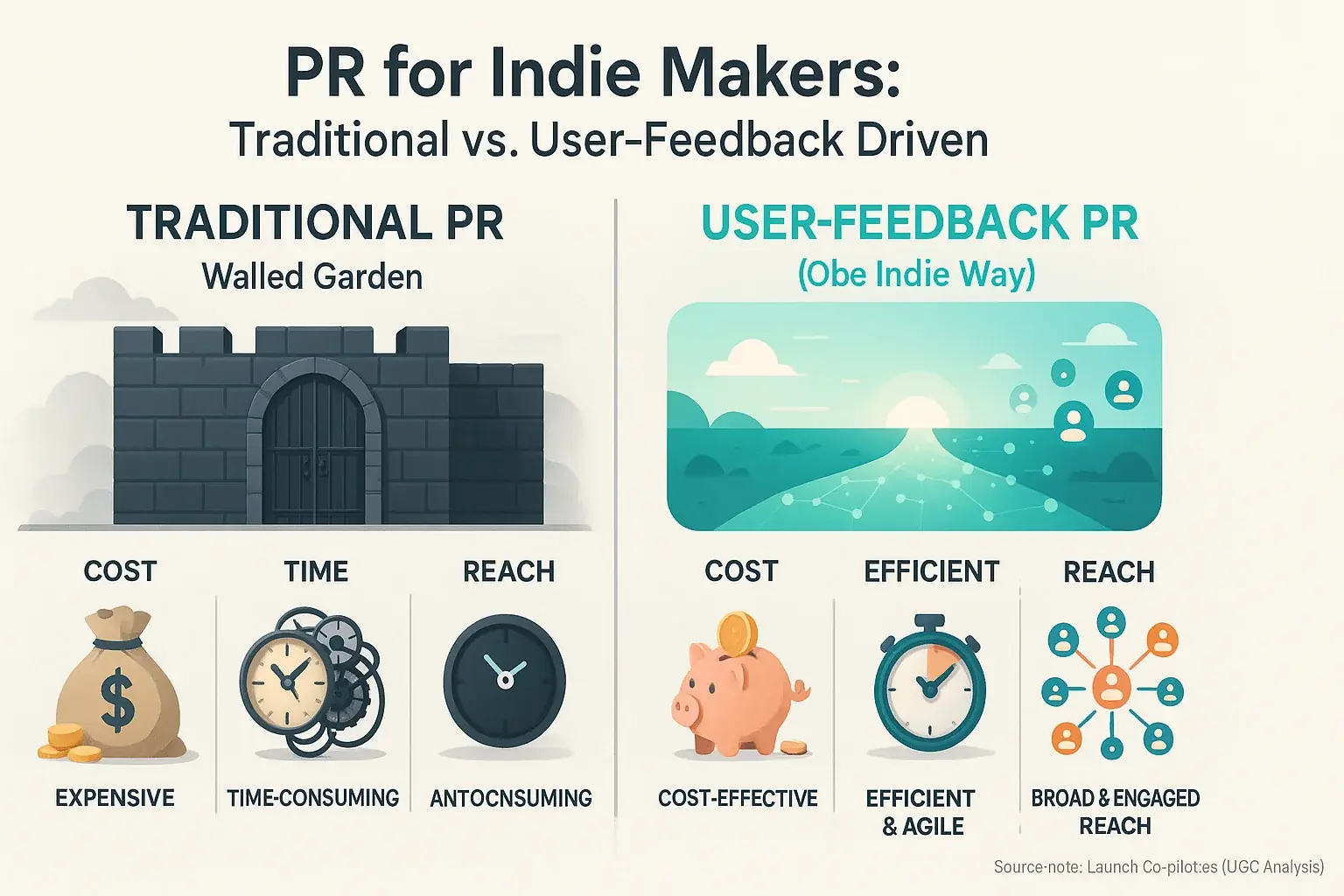
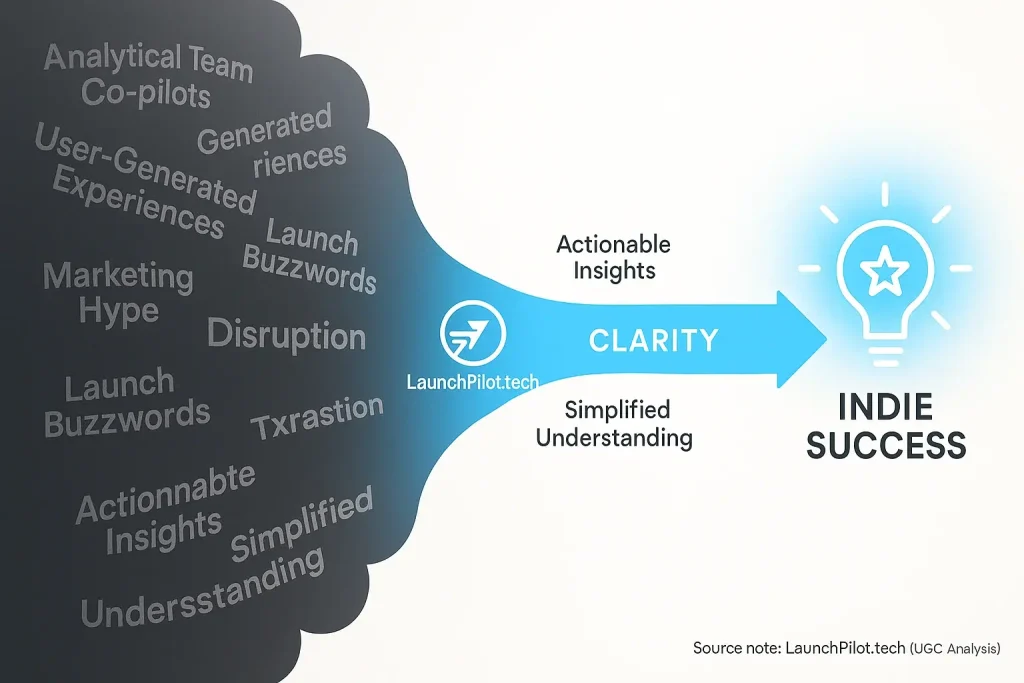
You poured your soul into building an amazing product. Getting noticed is the daunting next step. Traditional PR often feels like a walled garden, right? It is expensive. It is time-consuming. Traditional PR is utterly out of reach for bootstrapped founders. Insights gathered from extensive user discussions are changing this game. This understanding democratizes public relations. Our analysis will show you how.
Countless indie makers throw their hands up. They assume PR is a luxury. Reserved for venture-backed giants. But what if the community's collective experience suggests otherwise? Aggregated user experiences offer more than product feedback. These insights quietly revolutionize how solo founders land media mentions. This guide builds upon tactics real users are employing successfully.
This section details practical methods. Our rigorous examination of aggregated user experiences reveals how to find key contacts. This collective wisdom helps craft compelling pitches. You will also learn to track media mentions effectively. The entire focus remains on practical, user-feedback-driven tactics for your critical launch week. This approach offers smart, efficient PR, not a magic bullet.
Finding Your Media Allies: AI for Journalist & Blogger Identification (Beyond Google Search)
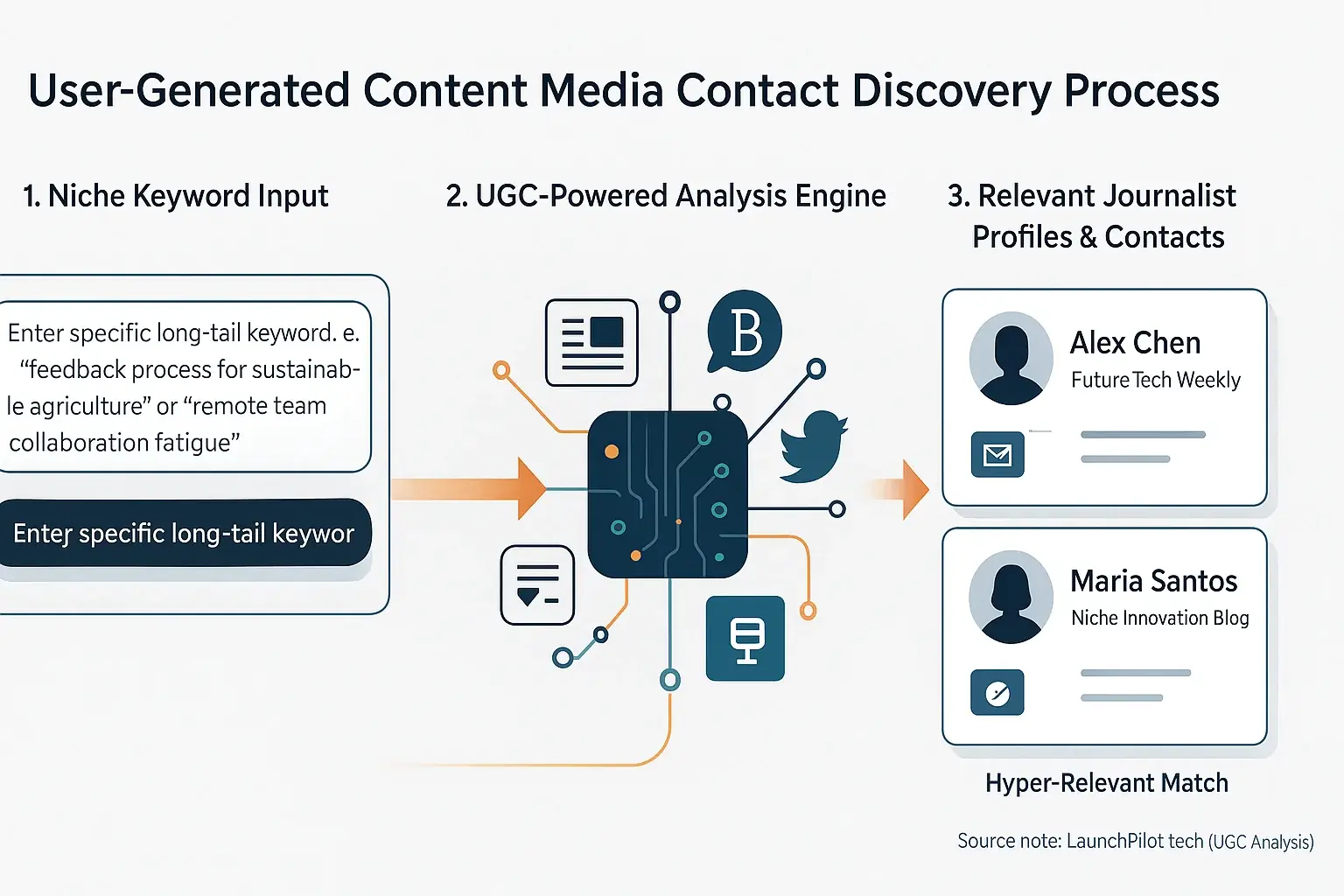
Finding truly relevant media contacts presents a real challenge. Many indie makers report frustration with endless Google searches. This approach consumes valuable launch runway. Your actual mission: locate that one journalist. The journalist deeply covering your unique niche. Their audience eagerly awaits solutions like yours. Collective wisdom from the indie launch community highlights automation. Automation tools cut through this manual discovery process.
Our investigation into user-generated content reveals how these tools operate. Automation platforms diligently scan vast media databases. They analyze articles, social media buzz, and niche industry publications. These systems then pinpoint writers. Writers consistently covering topics directly related to your product. They also find journalists focused on your specific industry. Or even those exploring the precise problems your solution addresses. This method transcends basic keyword searches. It leverages a deeper, semantic understanding of a writer's actual focus.
Now, a practical insight from successful solo founders. Many overlook this powerful tactic. Avoid broad searches like 'tech journalists.' Instead, provide your chosen media identification tool with highly specific long-tail keywords. Better yet? Use direct phrases describing your ideal customer's acute pain points. For instance, if your app tackles 'managing remote team collaboration effectively,' input that. The system then uncovers writers. Writers who have actually discussed 'remote team challenges' or 'collaboration tool fatigue.' This ensures hyper-focused outreach. Not just another generic pitch.
Furthermore, patterns identified in community discussions highlight another benefit. Select automation tools offer verified contact details. This often includes direct email addresses. Sometimes, even active social media profiles of journalists. Accessing this information makes your direct outreach significantly more straightforward. It bypasses gatekeepers. It saves critical time for resource-constrained founders.
Crafting Pitches That Land: AI for Press Releases & Personalized Emails (Beyond Generic Templates)
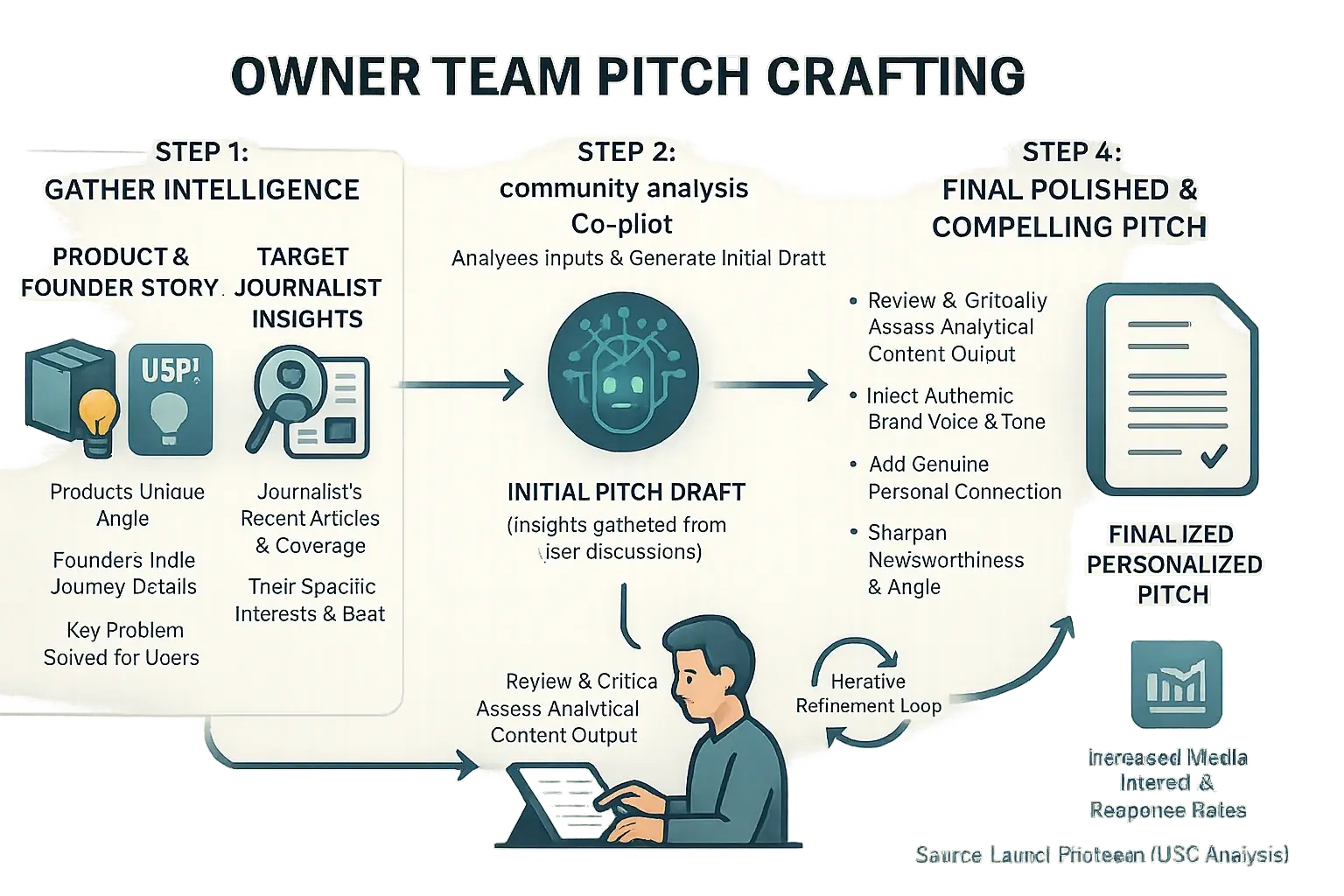
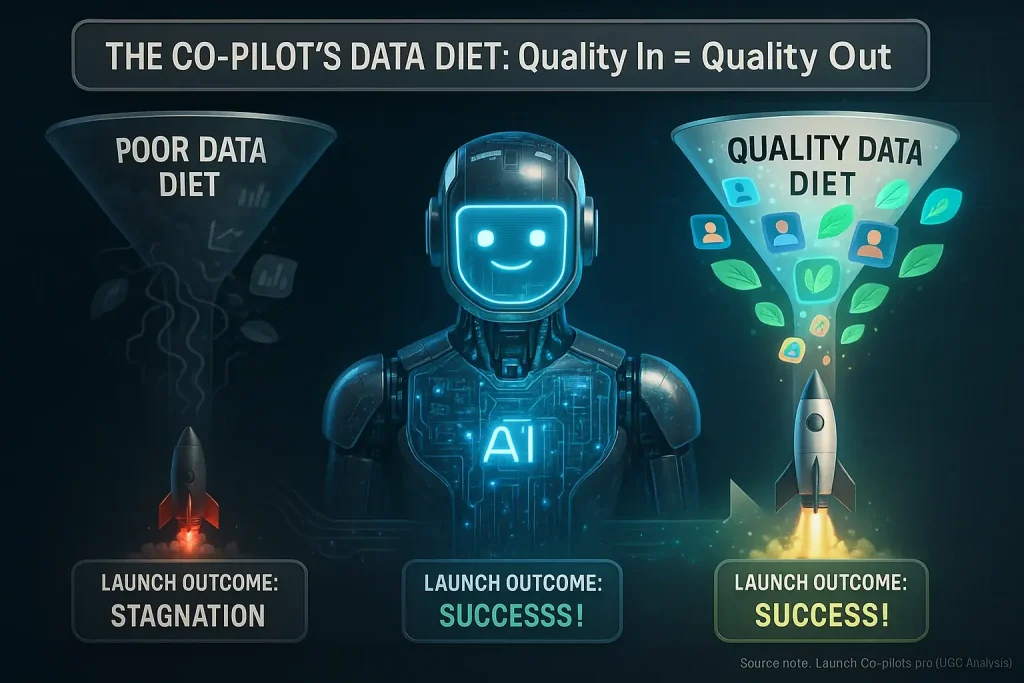
A generic press release invites deletion. Journalists are swamped. Your pitch must capture attention. It must speak directly to their audience. It also needs to highlight your indie product's genuine newsworthiness. This presents a tall order for busy founders. Our analysis of user-generated content shows user experiences co-pilots offer powerful drafting assistance.
consensus content co-pilots can draft press releases. These drafts follow industry standards. This process saves you hours. But here is the critical advice. Do not let the output remain generic. Feed the co-pilot specific details. Include your product's unique angle. Detail your indie journey. Explain the real problem you solve for users. The co-pilot then structures this input. It crafts a compelling narrative. Many community discussions confirm this efficiency.
These analytical experiences co-pilots truly shine with personalization. Forget mass email blasts. Feed your co-pilot specific journalist information. This includes their recent articles. Their distinct interests matter greatly. Even their social media activity can be useful. The co-pilot then drafts a pitch. This pitch feels custom-written. It clearly shows you have done your homework. User-generated experiences consistently report increased response rates. One indie maker shared a success. Their our research into user feedback shows pitch, personalized with a nod to a journalist's recent piece on solo founder challenges, secured a major feature.
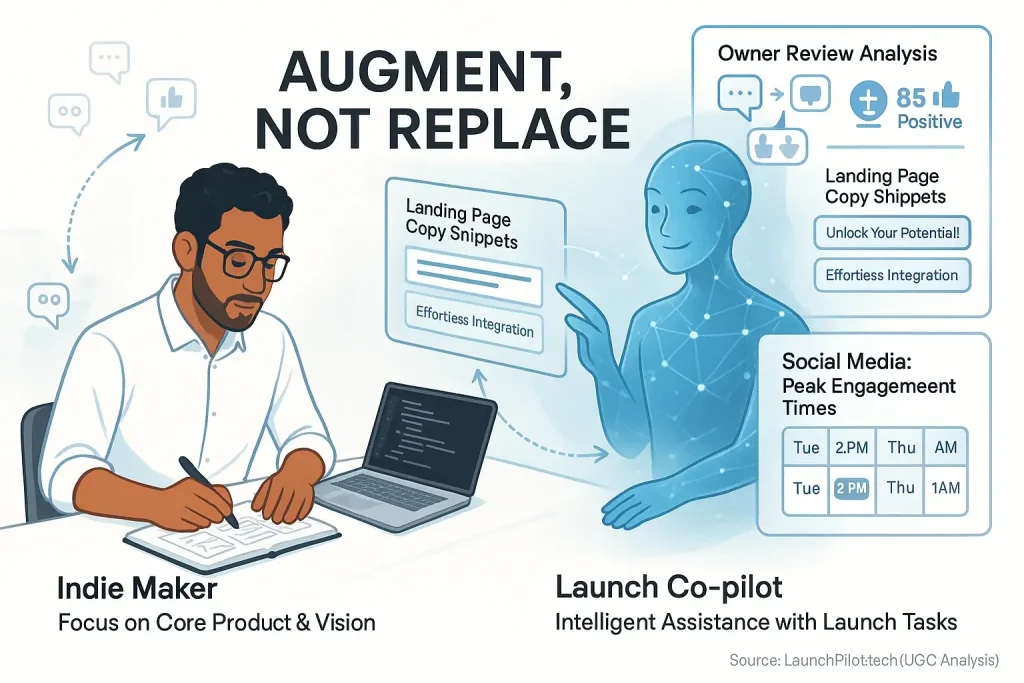
Many makers believe community team means an impersonal touch. That perception is incorrect. Our deep analysis of community feedback reveals the opposite. user experiences co-pilots enhance your human connection. The co-pilot handles the mundane drafting work. This frees your valuable time. You can then add that crucial, authentic final sentence. Only you can truly write that part. Always review the co-pilot's suggested text. Refine it carefully. Inject your unique brand voice. This action makes the pitch undeniably yours.
Tracking Your Buzz: Monitoring Media Mentions with AI Tools (Knowing Who's Talking About You)
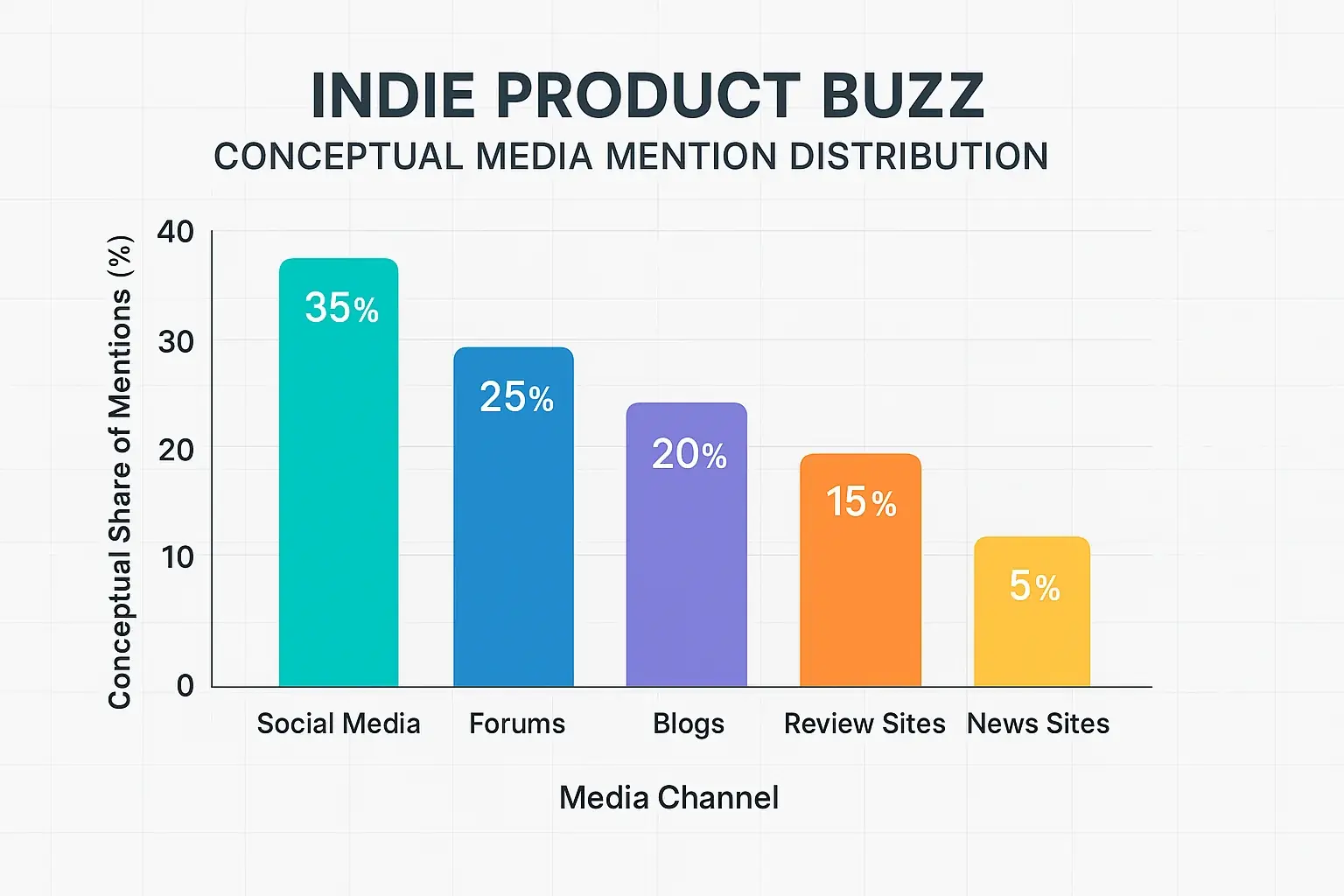
You've sent those killer pitches. Now what? The silence often feels deafening. Yet, unseen conversations might be happening. Knowing who discusses your product, and what they say, is crucial for adapting your launch strategy; media monitoring tools are your listening post.
Media monitoring tools constantly scan the web. Our extensive investigation into user-generated content confirms this. They search for mentions of your product, brand, or niche keywords, alerting you in real-time. No more manually checking dozens of sites.
These tools also analyze mention sentiment: positive, negative, or neutral. This insight is pure gold for indie makers. One founder, indie discussions reveal, caught a critical bug mention from their 'our feedback' monitor within hours. They pushed a fix before it spread widely. Real-time problem-solving.
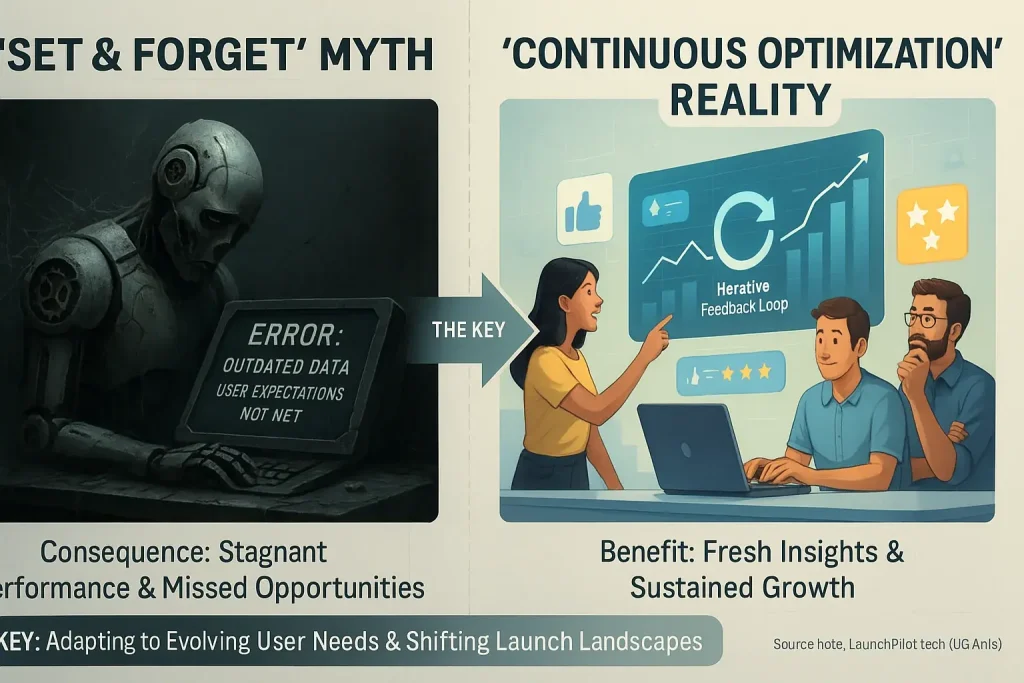
This gathered data offers more than just curiosity. It helps you measure your PR efforts effectively. You understand which pitches landed and can refine future media outreach. It becomes your essential feedback loop.
Indie PR Success with AI: Community-Sourced Tips & Unspoken Truths (What Real Makers Do)
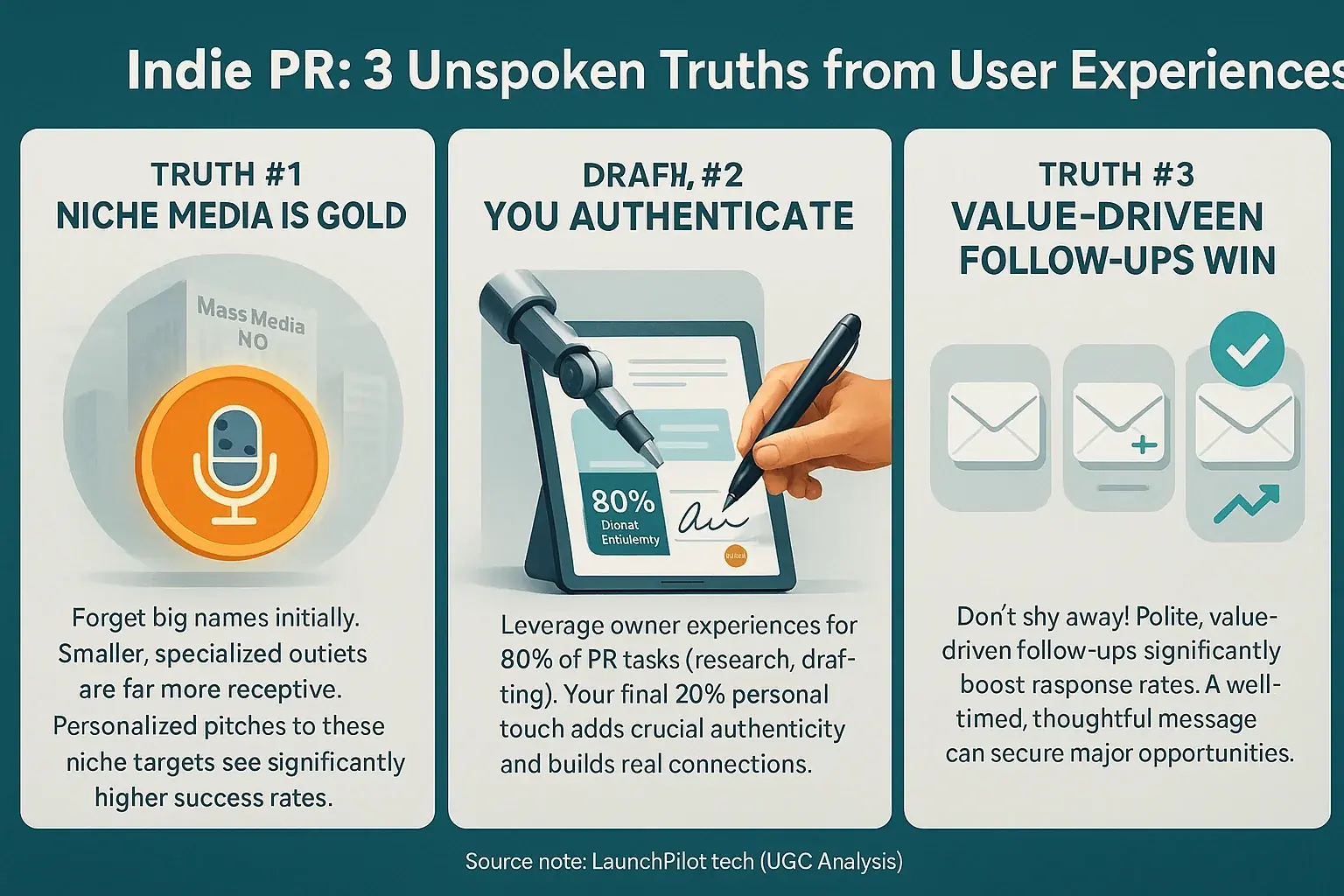
The indie maker community? We share. That is its beauty. User feedback analysis tools are powerful. Real magic happens when you combine tools with hard-won lessons. Fellow bootstrapped founders provide these lessons. Our synthesis of countless discussions brings you the best unspoken PR tips. These tips use synthesized user data.
Here is a big one. Niche media outlets are your best friends. Forget TechCrunch initially. Many users find smaller, specialized outlets far more receptive. These blogs or podcasts focus on your exact micro-niche. Feedback synthesis tools help locate these gems. A personalized pitch there sees much higher success rates.
Another key insight comes from user discussions. Feedback analysis tools are fantastic drafting partners. They are not your voice. Users report the most successful pitches merge tool efficiency with human authenticity. The tool handles 80%. The indie maker adds that final 20% personal touch. This is collaboration. Not delegation.
Many indie makers struggle with follow-ups. 'Am I annoying?' they wonder. The community consensus is clear. Polite, value-driven follow-ups boost response rates significantly. Draft these efficiently using feedback insights. Then, human-review them for tone. One maker shared their story. A single, well-timed follow-up, guided by analyzed patterns, secured a major podcast interview.
These community-tested strategies simplify PR. Our synthesis of broad user feedback confirms their power. Combined, they make outreach effective. Accessible PR is now a reality. Every indie maker can achieve this success.