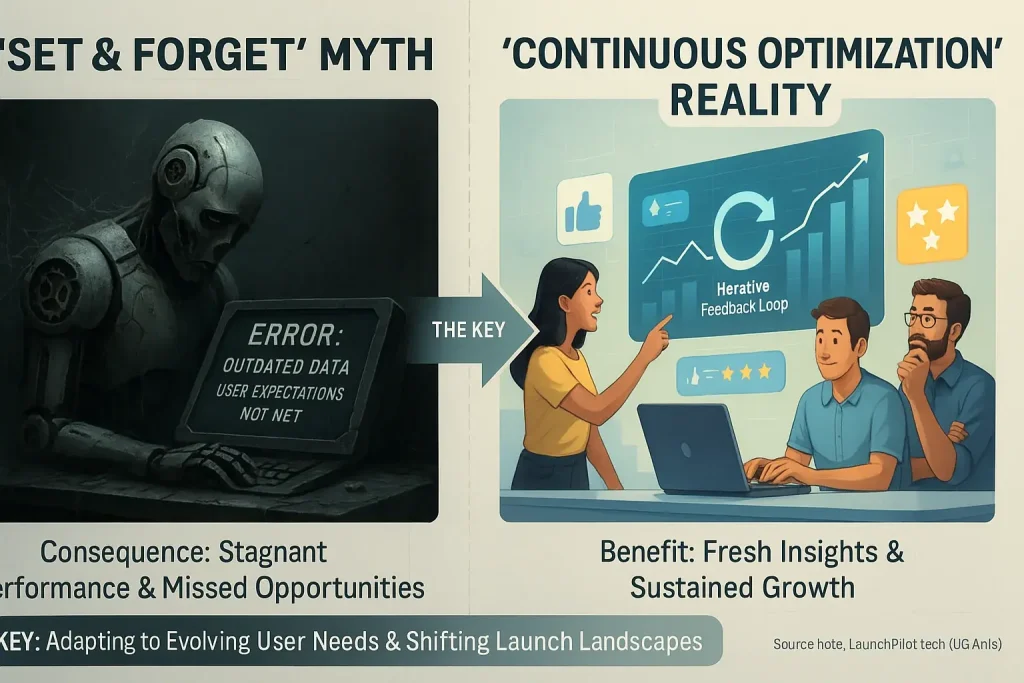
Beyond Defaults: Why AI Co-pilot Customization is Your Indie Superpower (UGC Insights)
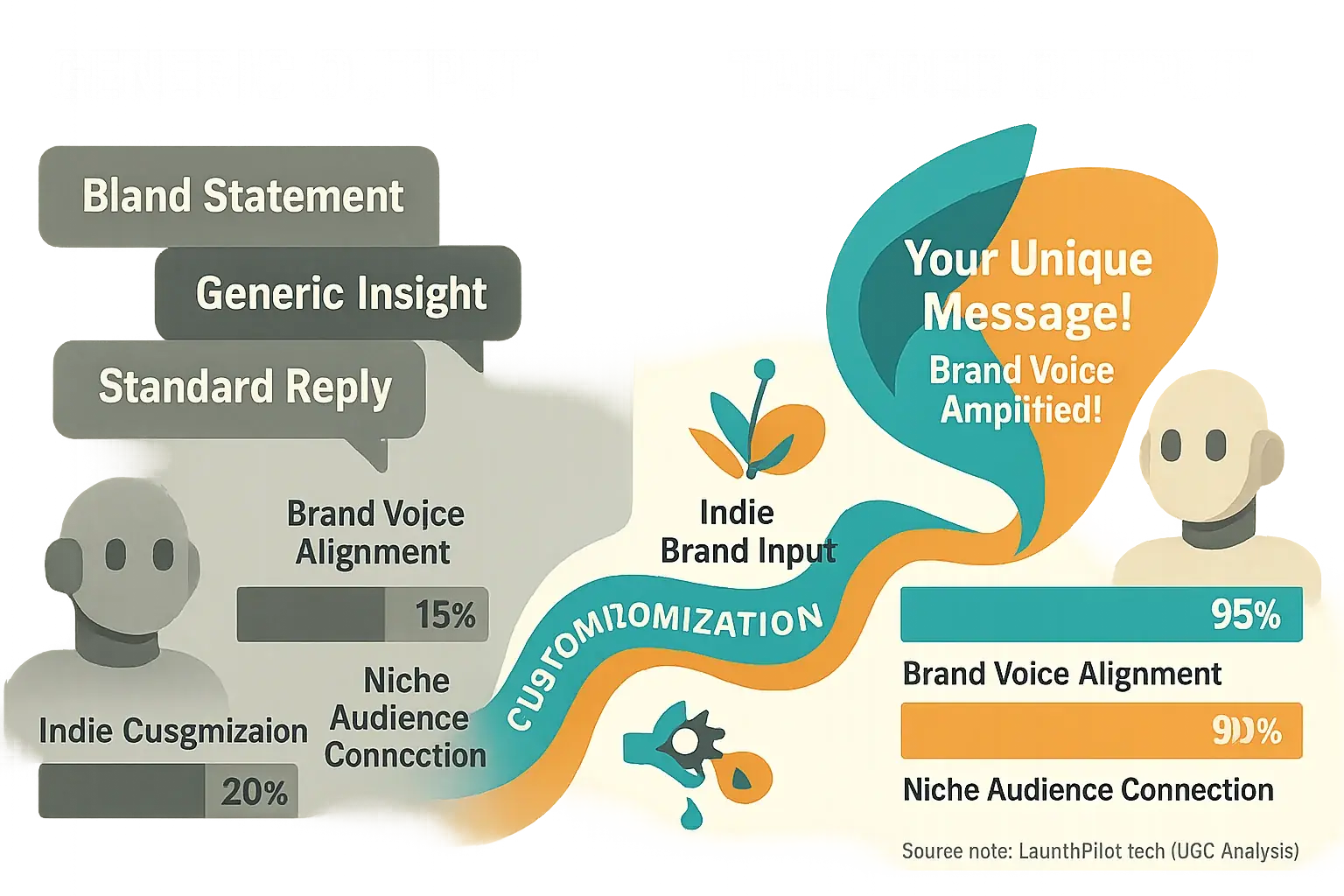
Ever felt your user-generated analysis co-pilot sounds... well, a bit bland? Like its output could be for anyone? Our deep dive into indie maker experiences confirms this. Default co-pilot settings frequently miss an indie brand's unique spark. Many creators discover customization is not merely an option. It is essential for standing out.
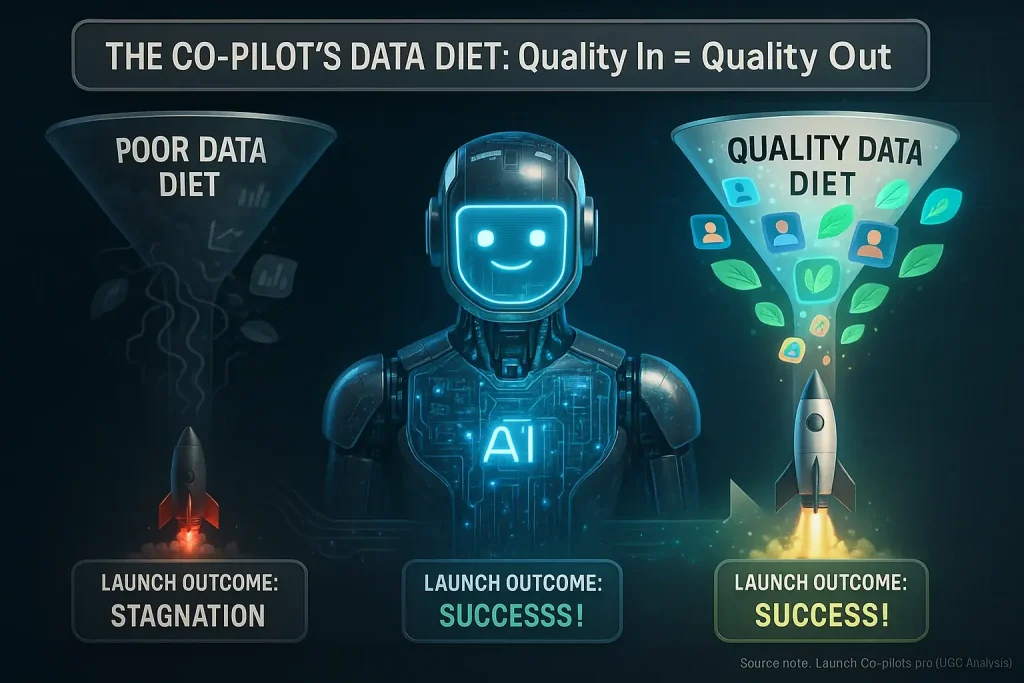
Indie makers consistently report a hard truth. 'Out-of-the-box' user-generated analysis co-pilots often produce generic content. This output fails to capture their brand's distinct voice. It misses vital niche relevance. The result? Creators spend more time wrestling with edits than actual creation if they skip customization. Here's what collective wisdom from the indie launch community suggests: the true power isn't just in the co-pilot's algorithms. It's in how you teach it. Teach it to reflect your brand's core. It's like sharing your unique blueprint with a keen apprentice.
So, what does this mean for your indie launch? Customization unlocks genuine brand voice alignment. User discussions highlight how it delivers messaging that truly connects with specific audiences. It molds the co-pilot into a workflow that fits a solopreneur's or small team's agile reality. This transforms the tool. It becomes an extension of your distinct creative vision. Not just another generic content machine.
Teaching Your AI Co-pilot Your Brand's Soul: Brand Voice Training Hacks from the Trenches (UGC-Tested)
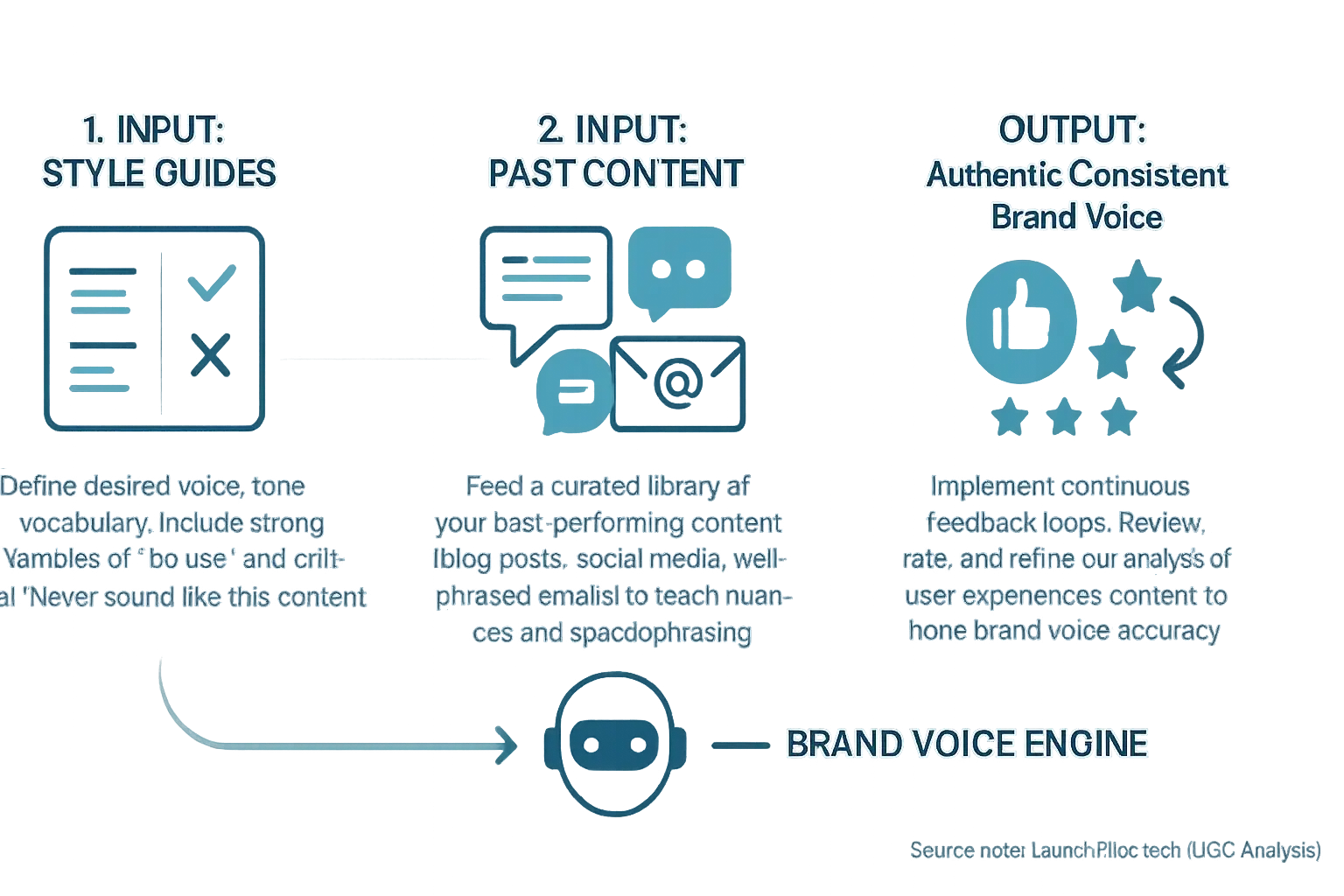
How do you get an our system co-pilot to sound... like you? It is a common indie maker puzzle. Many discover brand voice training needs strategic input. Makers give their co-pilot a clear style guide. This guide uses strong examples of their desired voice. This method works.
Many indie makers find success with a straightforward approach. They feed their review analysis co-pilot a curated library of their own best content. This includes blog posts, social media, even well-phrased emails. This 'voice library' teaches the co-pilot crucial nuances. It learns specific humor. It also grasps distinct phrasing. This method helps achieve better tone replication.
A surprising hack emerged from extensive community discussions. Include examples of content you absolutely don't want. You tell the co-pilot directly: "Never sound like this." This creates a powerful negative prompt. It clearly guides tone. This simple step refines output significantly for many users.
This brand voice training is not a one-time setup. User discussions repeatedly confirm this reality. Continuous feedback refines the co-pilot's output effectively. Prompt refinement is also key for brand voice consistency. The real goal? Clear. You want an insights system co-pilot that truly augments your unique brand voice. It should never replace it. This iterative process helps humanize owner reviews content significantly.
Niche-Specific Prompting & Custom Workflows: Making AI Truly Understand Your Indie World (Community Secrets)
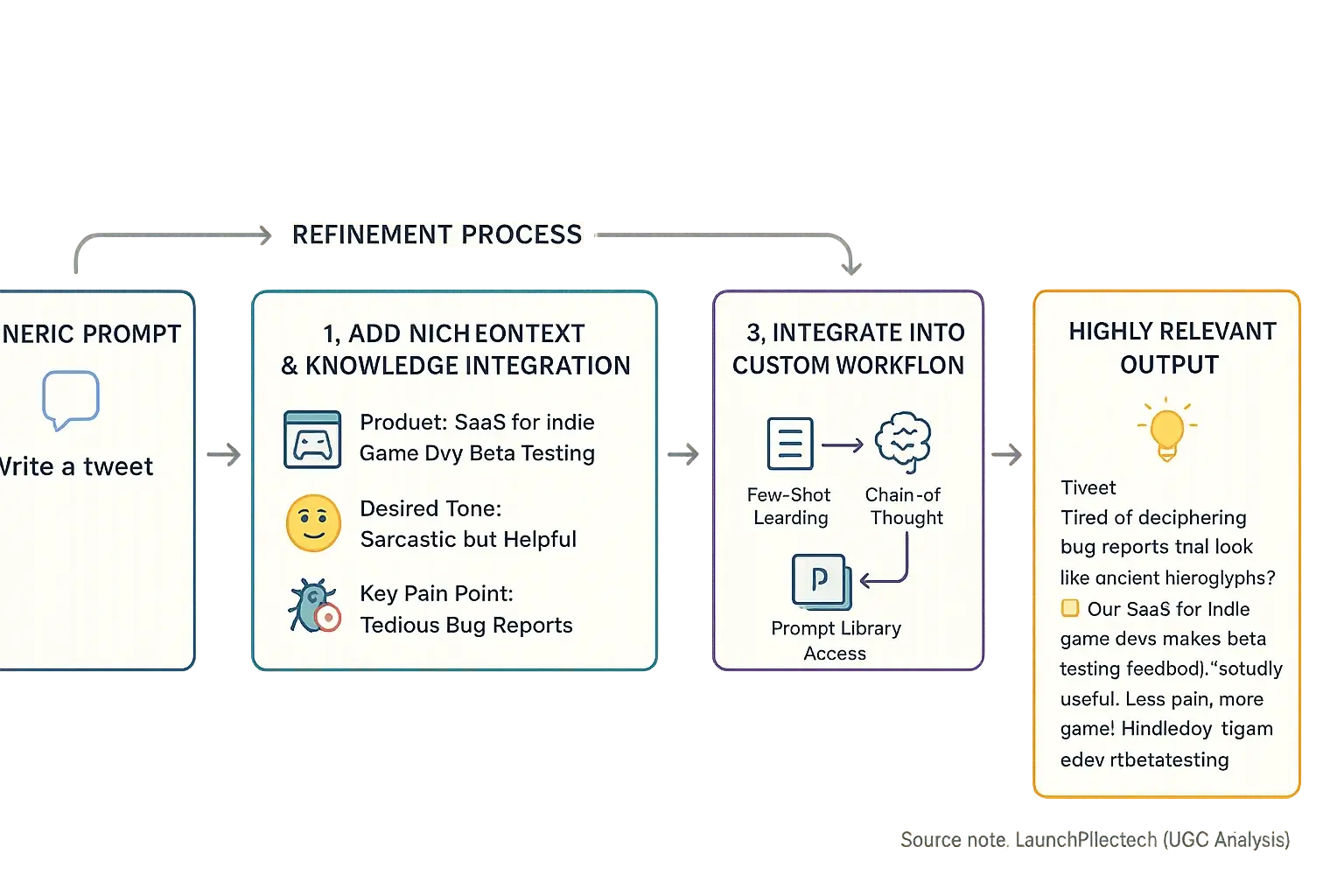
Your indie product lives in its own unique corner of the market, right? Generic advice for user shows co-pilots just won't cut it there. True user shows co-pilot power comes from teaching it the nuances of your specific niche. This involves more than just basic keywords.
Users often discover that detailed, context-rich prompts are gold. This is practical knowledge integration; you feed the user shows co-pilot crucial background. Instead of 'Write a tweet,' try 'Write a tweet for my SaaS product that helps indie game developers manage beta testing, using a slightly sarcastic but helpful tone, and mention the pain of bug reports.' Providing a few examples of desired output, a community-praised tactic known as few-shot learning, also elevates results. This level of detail, users report, transforms user shows co-pilot output from general to genuinely useful.
A little-known secret from community discussions? Power users create 'prompt libraries.' These are pre-written, highly detailed prompts for common niche tasks. Makers just fill in the blanks. This saves tons of time and ensures consistent, high-quality output from their user shows co-pilots.
Custom workflows extend beyond single prompts. User shows co-pilots integrate into complex, multi-step automations. For tough challenges, users employ chain-of-thought prompting. The user shows co-pilot then breaks problems into smaller, manageable steps. We've seen countless examples where indie makers build sophisticated chains automating tasks from lead qualification to personalized emails, all tailored to their unique funnel. This deep customization is a game-changer for efficiency, a common theme in user feedback.
The 'Off-Label' Use of AI Co-pilots & Template Customization: Indie Makers Breaking the Mold (Unexpected Hacks)

Sometimes, the best tool use defies the manual. Indie makers, a resourceful group, frequently find 'off-label' applications for community analysis co-pilots. This involves pushing tools beyond designed functions. They solve unique indie problems this way. User ingenuity shines brightly here.
Our investigation into user-generated content reveals fascinating adaptations. We've documented makers repurposing content generators for product name brainstorming. Some even simulate customer support chats for internal training. Others use analytical features for quick, informal market research. They feed competitor ad copy to a co-pilot. Then they ask for weaknesses. Here's a powerful hack many successful indies share: use these tools to generate 'negative personas'. These profiles detail customers you don't want. This refines targeting for the right audience with surprising precision.
Template customization represents another area of indie innovation. Many review feedback co-pilots offer standard templates. Indie creators rarely use them as-is. They dismantle them. They rebuild them. They inject their own distinct logic. This means taking a generic 'launch email sequence' template, for instance. They then overhaul it completely. Niche-specific language gets added. Unique calls-to-action appear. Personalized placeholders, born from deep audience understanding, become standard. This 'template rebellion', as seen in community discussions, often produces truly distinct, high-converting assets for their ventures.
Your AI Co-pilot: A Custom-Built Extension of Your Indie Vision
Your review content co-pilot extends your unique indie vision. It is more than another piece of software. This tool becomes a powerful extension when you mold it. Makers shape its output to their unique brand and specific niche. Community-reported experiences show generic outputs are mere starting points, not final destinations.
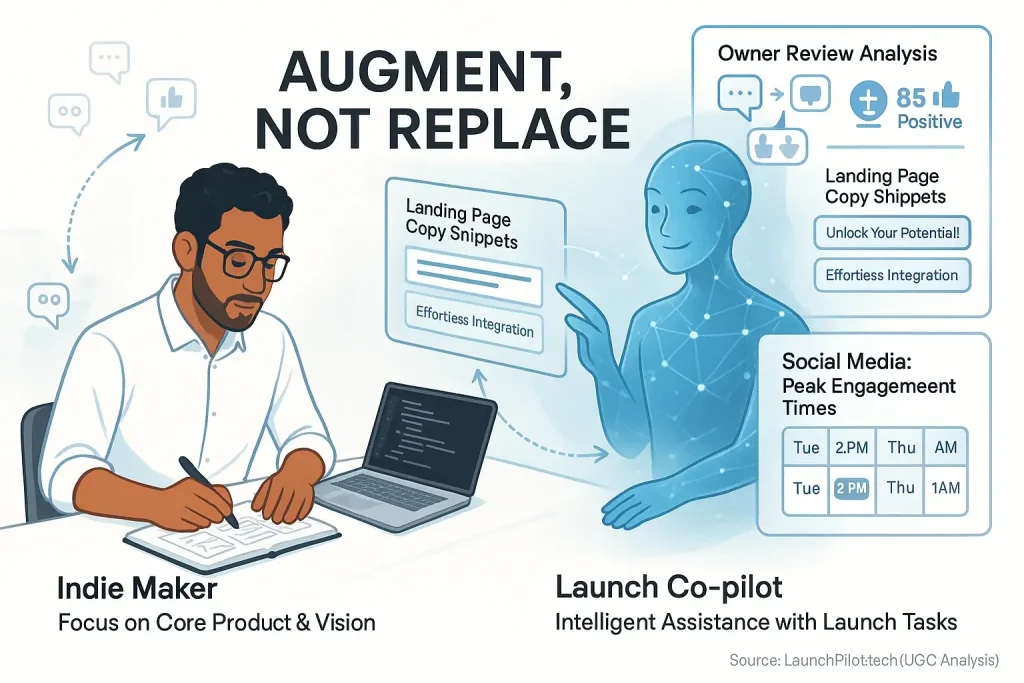
The human role remains absolutely central. Real magic unfolds with your creativity. Your niche understanding, combined with a willingness to experiment, meets the analytical experiences's raw processing power. This creates a powerful synergy, according to many successful solopreneurs. It is an ongoing dance of input, output, and constant refinement. You, the indie maker, steer this process. You are the pilot of your launch.