Beyond Basic Personalization: Why Hyper-Targeting Matters for Indie Launches
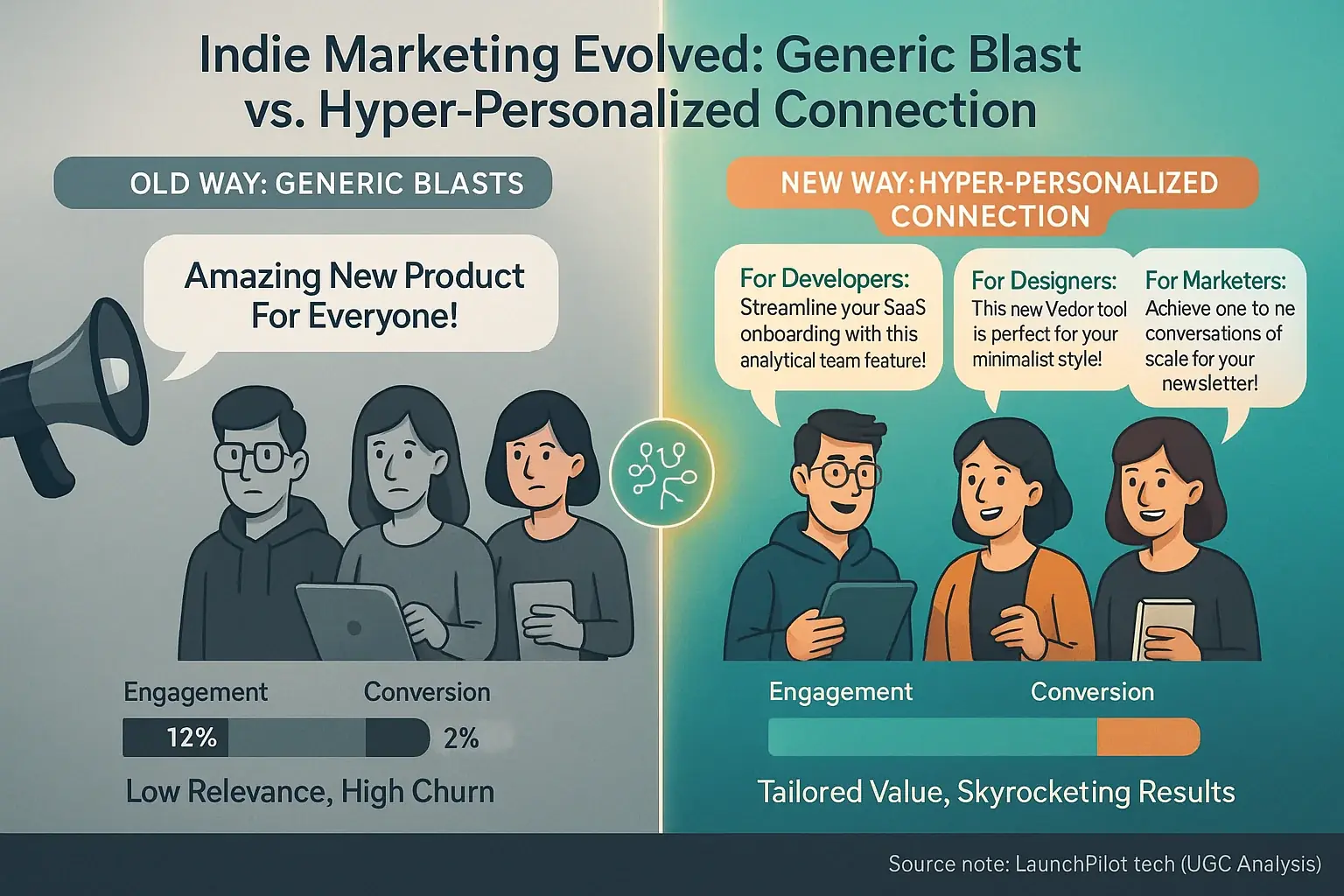
You've got a fantastic product. Are you still sending the same generic launch email to everyone? You are leaving serious money on the table. Engagement suffers too. Today's crowded market ignores generic messages. These messages fall flat. Hyper-personalization offers the solution. This approach is no longer exclusive to big brands. Indie makers can harness its power.
Why does this matter for your indie launch? Users crave relevance. Our analysis of countless user experiences reveals a clear pattern. Messages feeling tailor-made skyrocket engagement. Think about this. A 'SaaS onboarding' message resonates well with new trial users. It connects less with simple ebook downloaders. Here's a kicker. Many indie makers believe hyper-personalization is too complex. Or too data-intensive. The unspoken truth from community discussions? Community analysis co-pilots democratize this. They make advanced personalization surprisingly achievable. Even with limited data.
User experiences co-pilots become your secret weapon here. These tools sift through subtle user signals. They predict customer needs. They help craft messages resonating on a personal level. This approach moves you from 'mass blast' messaging. You achieve 'one-to-one conversation' at scale. This becomes possible without a huge team.
AI for Micro-Segmentation: Finding Your Niche Within a Niche (Even with Limited Data)
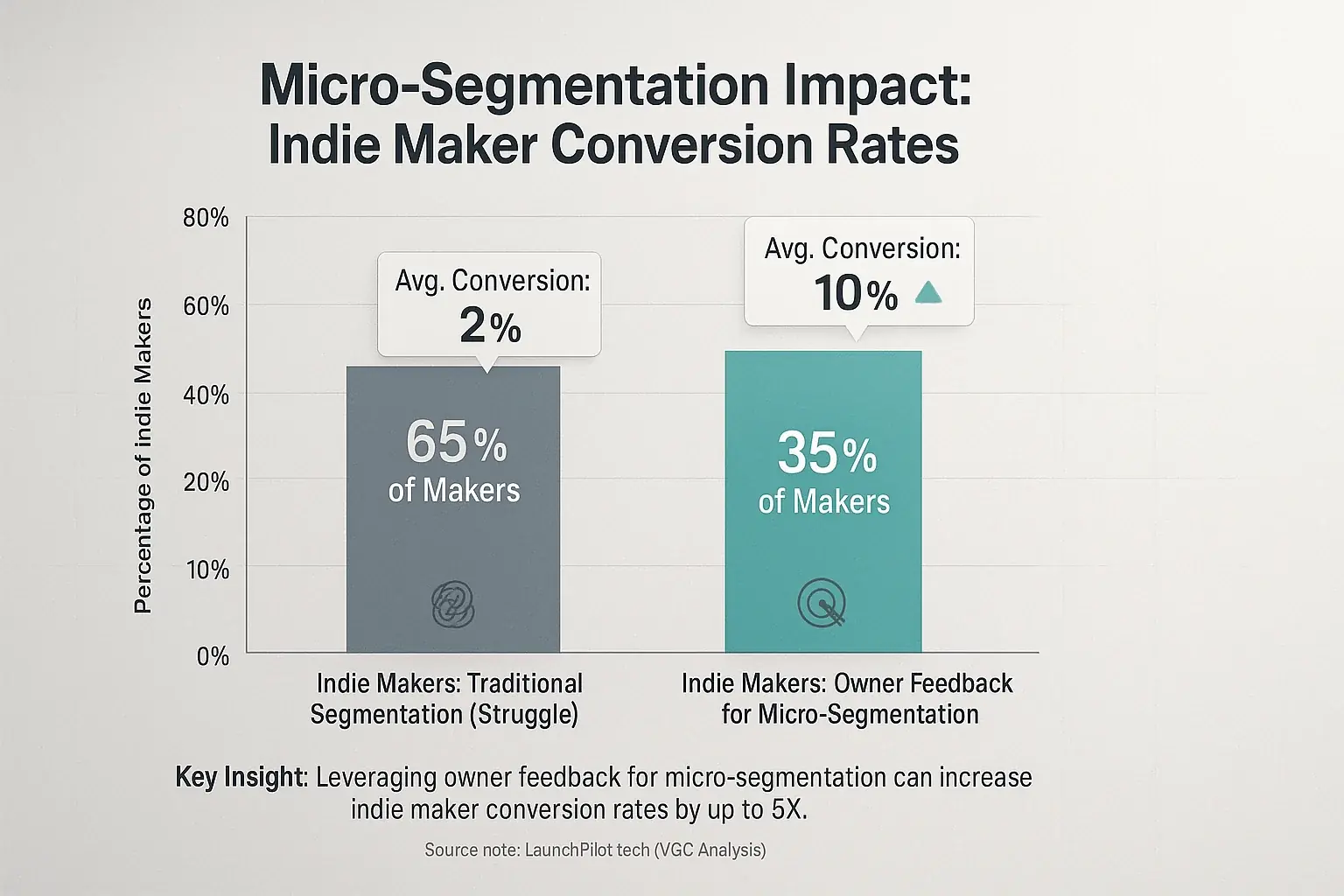
True personalization digs deeper. Forget broad categories like 'developers' or 'marketers.' Micro-segmentation identifies tiny, super-specific audience groups. These groups share unique behaviors or needs. This level of detail was often a data-heavy challenge for many indies.
Our data co-pilots change this game for indie makers. They analyze subtle signals from limited user data. Think landing page interactions. Feature clicks. Even support query tone. These tools spot patterns you would never find manually. This helps carve out segments like 'early adopters preferring video tutorials'. Or 'budget-conscious users engaging with pricing FAQs'. The unspoken truth? You do not need millions of data points. Our analytical approach finds meaningful micro-segments even in smaller, focused indie datasets. Your marketing becomes instantly more relevant.
Imagine sending a launch email. It speaks directly to a tiny group's unique pain point. Indie makers often report conversion rates climb with such precision. This is not just about sending fewer emails. It is about sending the right emails. To the right people. At the right time. This targeted approach can turn lukewarm leads into raving fans, a common theme in successful launch stories we have analyzed.
Dynamic Content Personalization: Making Every Message Feel Hand-Crafted (AI's Magic Touch)
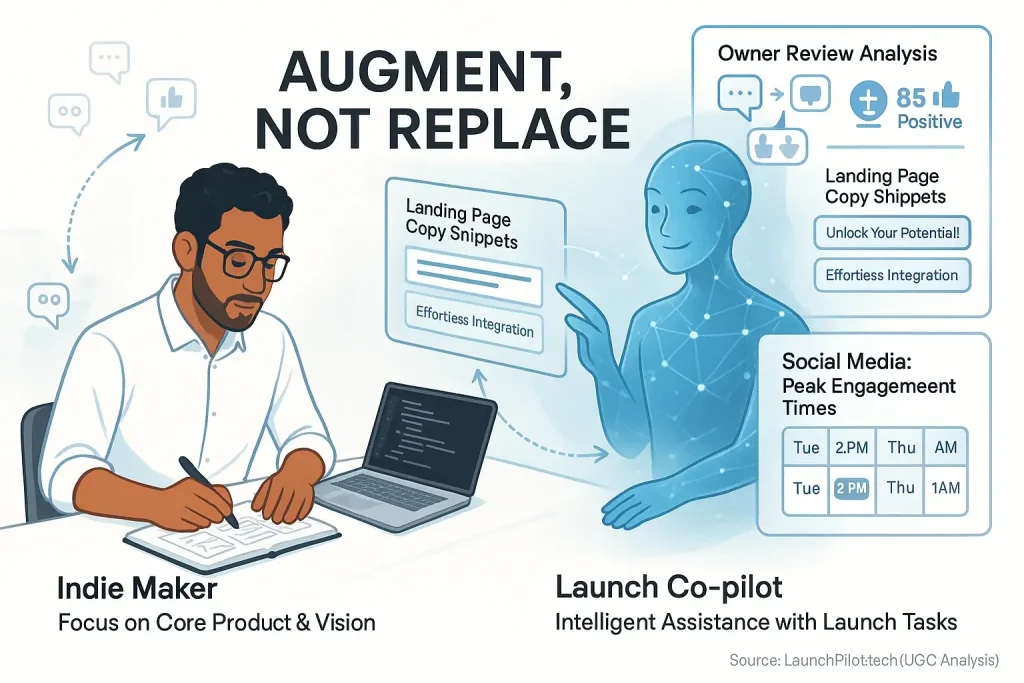
You have your micro-segments. Great. The next step involves sending messages. These messages must feel personally crafted. That's dynamic content personalization: consensus team adapting your launch messages, landing page copy, or even social media ads in real-time based on individual user behavior. This personalization extends far beyond just inserting a name; it is about deep relevance.
Imagine a user clicks on your 'consensus experiences for Email Marketing' blog post. Your analytical shows co-pilot immediately flags them. The next email they receive from your launch sequence might subtly shift focus. It highlights how your product's email automation feature directly solves their specific pain point. You show them exactly what they need. They never even asked. Here is the unexpected part, something community discussions consistently reveal. Users often do not realize the content is dynamic. They feel understood. This understanding builds massive trust. It also boosts engagement. This is a true 'unspoken truth' from our UGC analysis.
This level of tailored communication drastically improves conversion rates. Community-reported experiences confirm this. It reduces user friction effectively. You address their immediate needs directly. Users avoid wading through irrelevant information. Your feedback process co-pilot manages the heavy lifting. This system ensures every touchpoint feels personal. It works effectively even at scale. Many indie makers report this success.
Automating Behavioral Triggers: When Your AI Co-pilot Knows Exactly When to Act
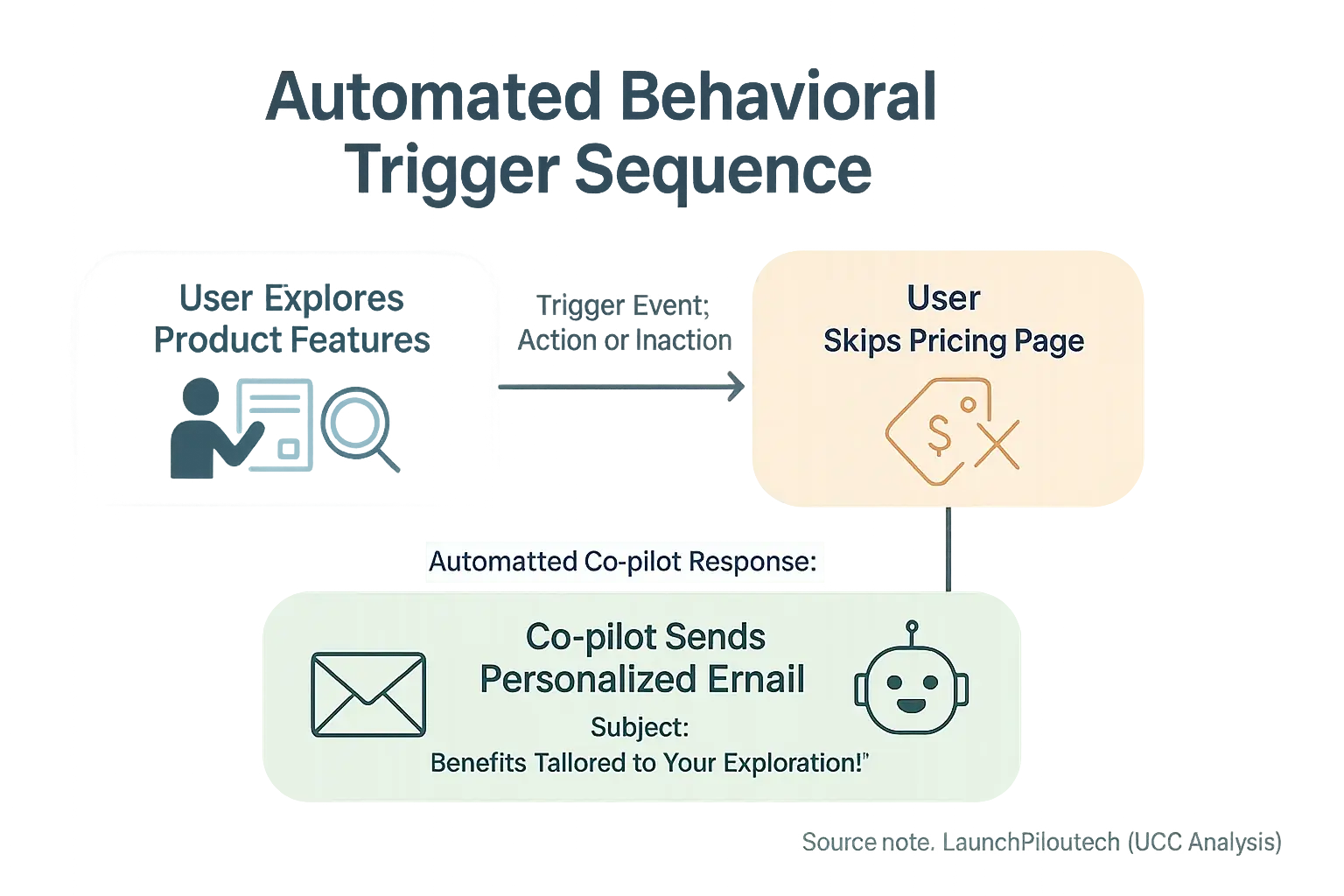
Hyper-personalization means more than what you say; when you say it matters immensely. Behavioral triggers let your co-pilot automatically send messages or take actions the moment a user does (or doesn't do) something specific. Think of it as your co-pilot’s finely tuned intuition, always ready to engage meaningfully.
A user abandons their cart; your co-pilot instantly sends a personalized reminder. Another explores features but skips pricing; the co-pilot triggers an email highlighting benefits tied to their browsing. This approach offers timely, helpful context, not just sales talk. Indie makers often ask: is this 'creepy'? User discussions consistently show helpful, relevant automations are appreciated; it feels like anticipated support, not invasive tracking.
Automating these behavioral triggers saves indie makers immense time. Crucially, it creates a seamless, highly responsive user experience. Your product then feels more intuitive. More connected to each user's journey. Our synthesis of indie maker feedback reveals this connection directly boosts conversions and cultivates happier, more engaged customers.
Real-World Impact: UGC Examples of AI Personalization Boosting Indie Launches
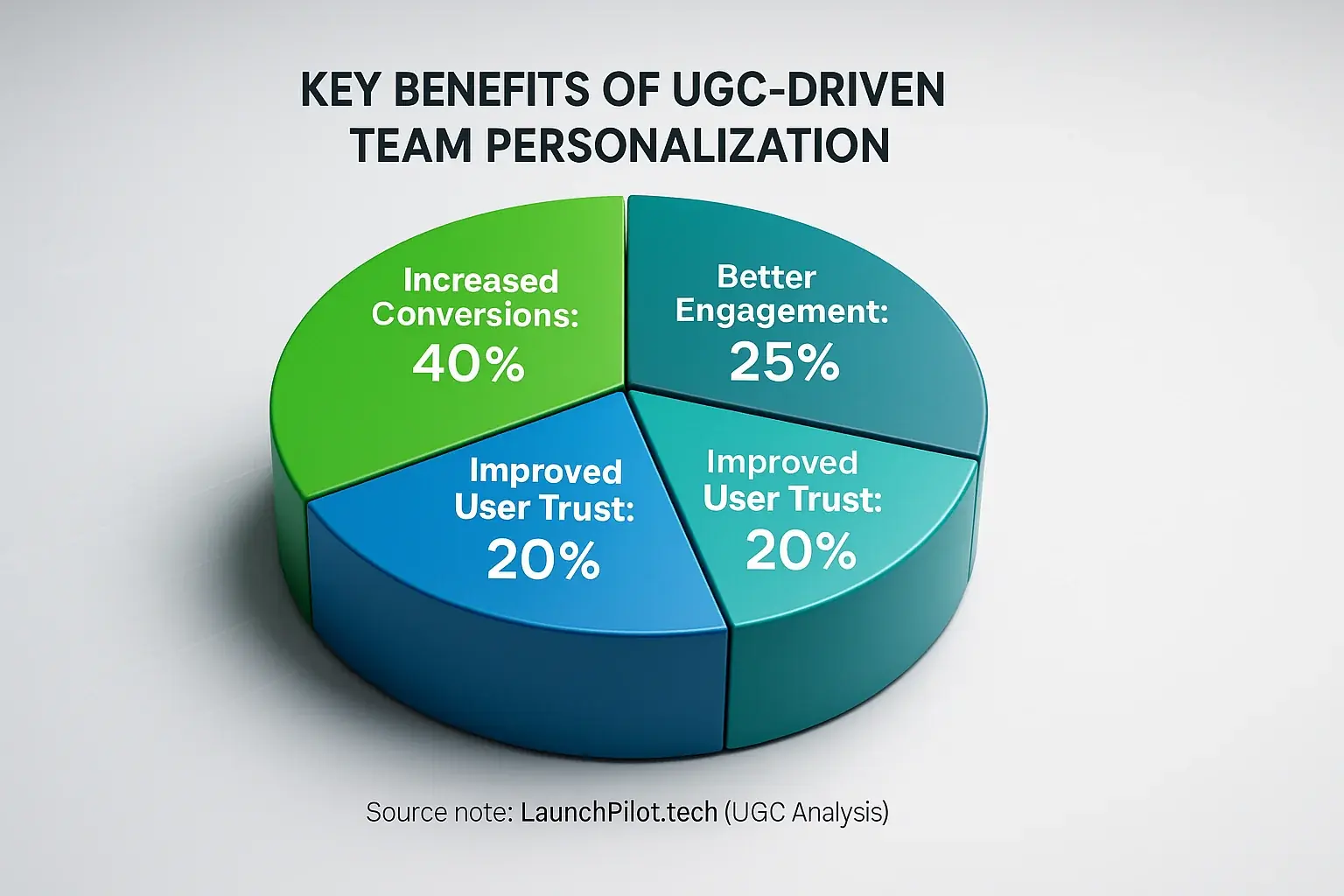
Enough theory. What does hyper-personalization actually achieve for indie makers? Our deep dive into user-generated content uncovers powerful success stories. These are not mere anecdotes. They are patterns. Patterns emerging from collective indie experience.
Consider one indie SaaS founder. This founder analyzed user review content. They identified a crucial micro-segment. This group was 'early-stage startups exploring integrations.' Their team, guided by a co-pilot, then crafted highly specific emails. These emails highlighted integration features and essential API documentation. The outcome? A reported 3x higher click-through rate for these emails. This sharply contrasted with their general email list performance. Users felt genuinely understood. They were not just marketing targets.
Another indie creator launched an online course. This creator leveraged insights from user feedback. They dynamically changed sales page testimonials. A visitor might linger on the pricing section. The system then subtly rotated in testimonials. These testimonials came from users. Users who initially hesitated on price. But then found immense value. This small, smart tweak delivered big results. Users reported significantly reduced bounce rates. Course sign-ups also saw a clear boost.
These examples are not isolated incidents. They signal a powerful, growing trend. Smart personalization, driven by user reviews, offers a distinct edge. Indie makers gain this advantage even with limited resources. This truly is a disproportionate advantage. It empowers indies to work smarter. They forge deeper connections. It's not just about pushing harder.
Your Next Steps: Embracing Hyper-Personalization for Your Indie Launch
Hyper-personalization is not a mere buzzword. It gives indie makers a real advantage, especially when guided by analytical reviews. Use our experiences co-pilots to move beyond generic messaging and connect with your audience deeply. This approach works even with limited resources. The direct result: stronger engagement, higher conversions, and a more loyal customer base.
Ready to dive in? Start exploring consensus process tools; these offer strong segmentation and dynamic content features. Experiment with personalized email sequences based on user behavior. Remember this: small personalization steps yield massive results. Your audience craves relevance, and our shows co-pilot helps you deliver that.