The First Spark: Why Naming & Branding is a Pre-Launch Make-or-Break for Indies (And How AI Helps)

Ever stared at a blank screen? Trying to conjure that one perfect name? The name that just clicks? The one that screams 'THIS IS IT!'? For indie makers, this is a launch-stalling nightmare. Our analysis of indie maker forums confirms this common bottleneck. Your product's name offers its first handshake. This name establishes the entire initial tone. Potential users form perceptions instantly.
This early branding is a make-or-break moment. It is not merely about appealing aesthetics. Real memorability matters hugely. Market positioning defines your product's space. Core value must be conveyed instantly. A weak name can sink an excellent product. This often happens before any real launch. Countless indie discussions highlight this painful truth, a lesson learned through hard experience.
Insights from user discussions can now power your branding. Owner analysis co-pilots offer this game-changing partnership. These tools do not replace your creative spark. They act as potent brainstorming engines, often fueled by vast community feedback. They also provide vital validation from aggregated user experiences. Guesswork diminishes. Pre-launch timelines can accelerate. Collective wisdom from the indie launch community increasingly underscores this advantage.
Beyond Brainstorming: Using AI for Product Name Generation (Prompts That Actually Work)
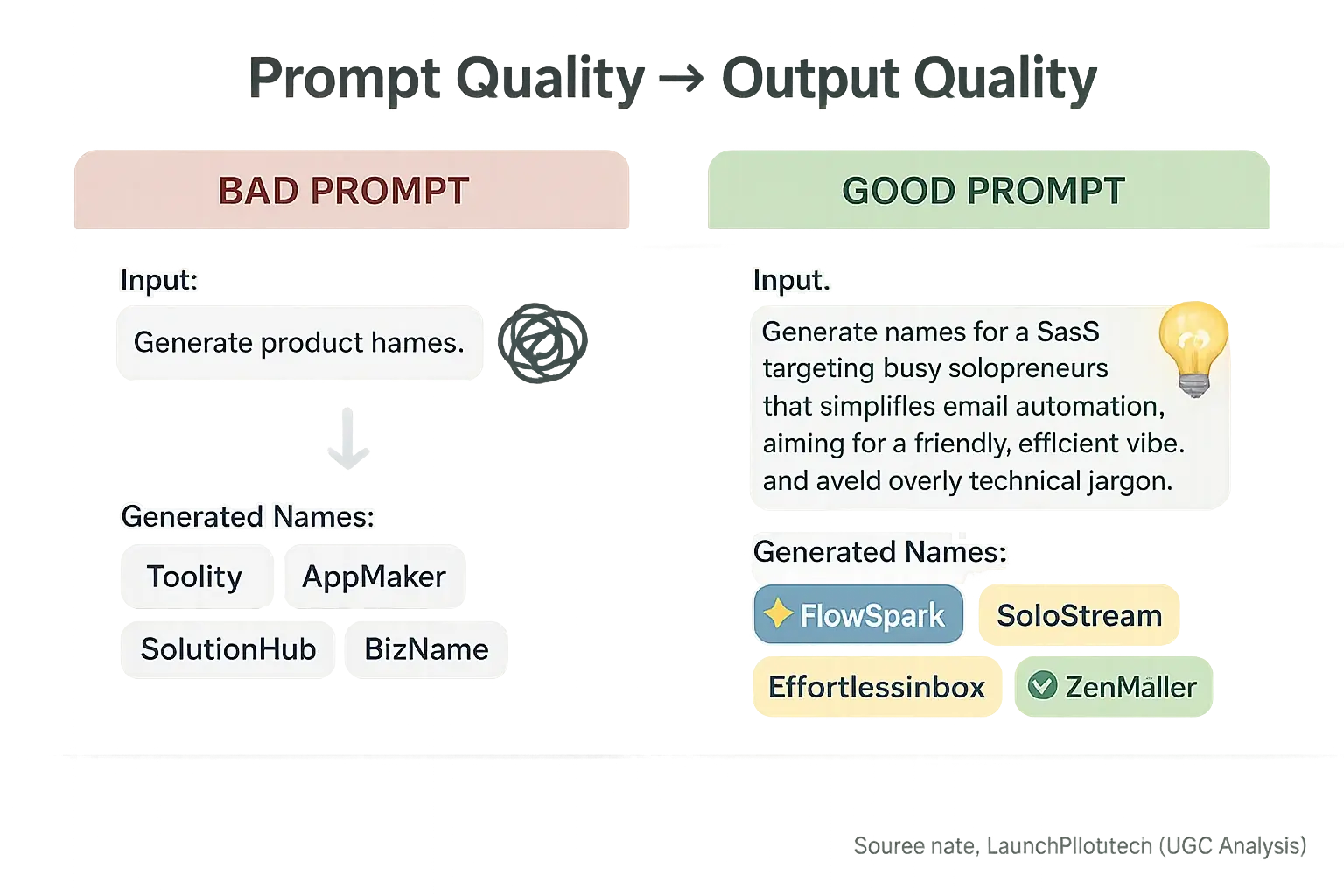
Consensus reviews Name Generation acts as a powerful idea multiplier for your product. Our process can generate hundreds of name suggestions rapidly. This saves indie makers countless hours of manual brainstorming. The quality of these user-generated analysis outputs directly mirrors your input quality. Better prompts yield far better names.
So, what are these "prompts that actually work," according to community-reported data? Effective prompts, tested by fellow indies, consistently include rich details. Specify your target audience. Define the product's core benefit clearly. Describe your desired naming tone – perhaps playful, serious, or minimalist. Crucially, list any keywords or concepts to avoid. Many indie makers tell us their early feedback analysis name attempts were bland. Uninspired. Then they learned to feed the our system specific contexts, like: "Generate names for a SaaS targeting busy solopreneurs that simplifies email automation, aiming for a friendly, efficient vibe, and avoid overly technical jargon." The difference in output quality? Night and day, based on synthesized indie maker feedback.
Vague prompts are a common pitfall, often leading to generic, uninspired names. This is a frequent frustration we see in user discussions. Poorly defined requests also heighten the risk of community process "hallucinations" or completely irrelevant suggestions. Your prompt clarity is paramount. Here's a subtle trick, a pattern observed across extensive user discussions: ask the the system to generate names in different categories within the same prompt. For instance: "Provide 5 abstract names, 5 descriptive names, and 5 evocative names for ." This simple technique, reported by many users, encourages more diverse and creative output from the our system.
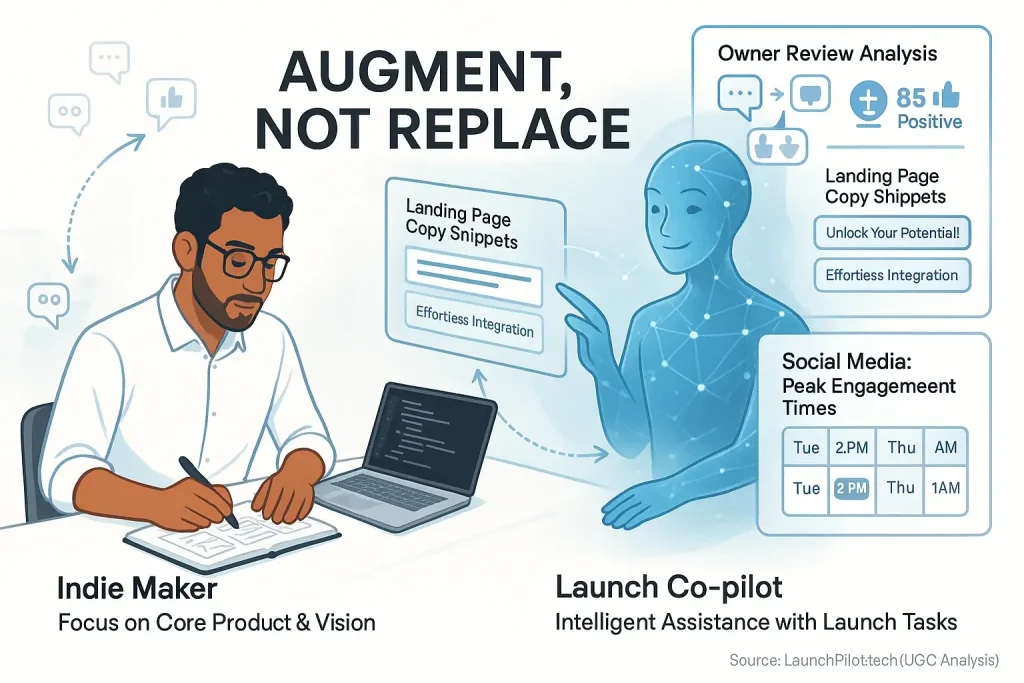
User-generated analysis provides abundant raw material for your product naming journey. However, the indie maker’s insight remains essential for curation and refinement. You evaluate the suggestions. You select the most promising options. Ultimately, your creative judgment transforms a user-generated analysis idea into a compelling product name. The our system accelerates brainstorming; you provide the strategic direction.
Beyond Catchy: Crafting Benefit-Driven Taglines with Your AI Co-pilot (UGC-Inspired Impact)
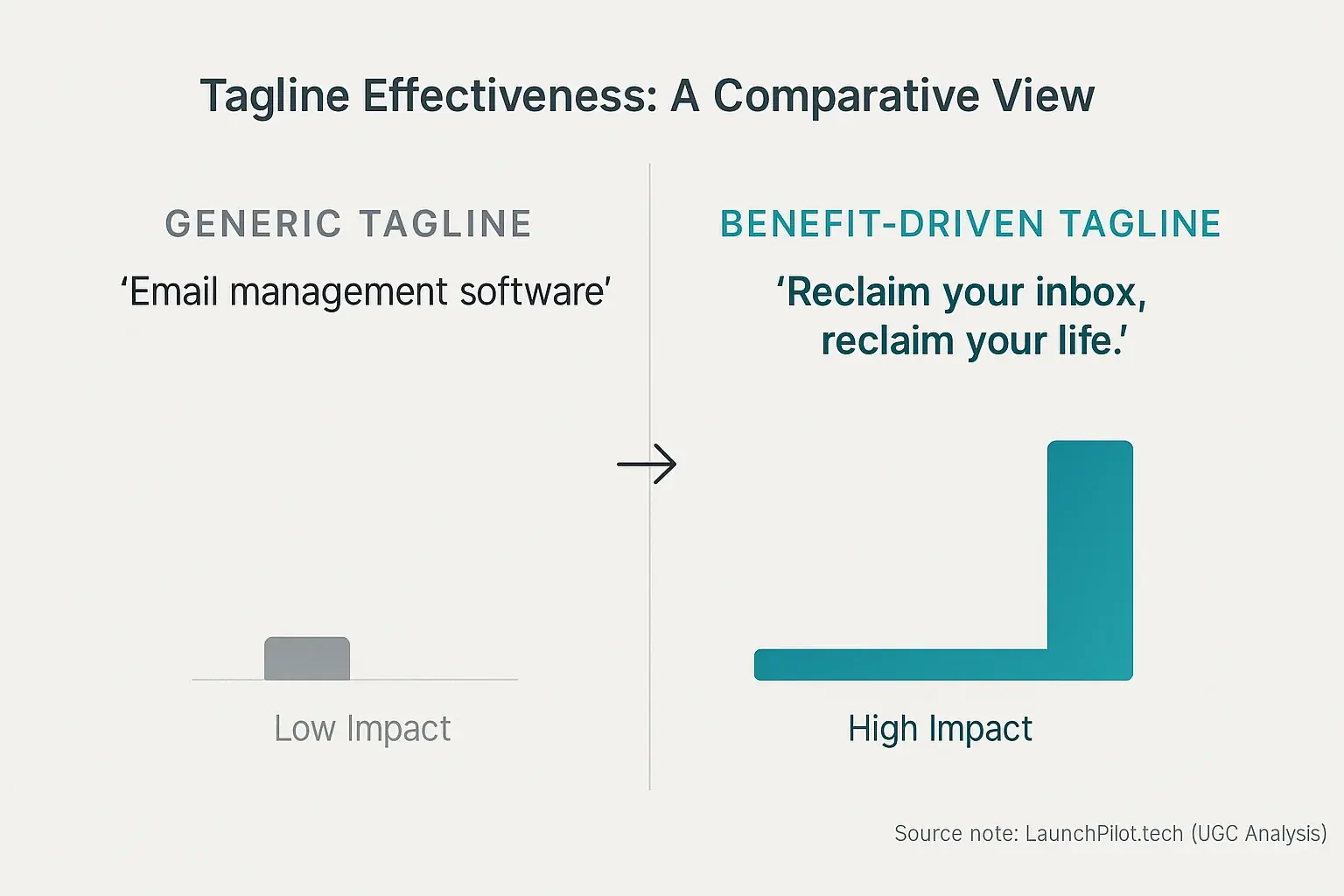
A tagline promises clear value. It is not just a catchy phrase. For indie makers, a strong tagline quickly tells users "What's in it for me?". This communication must be immediate. Busy users appreciate such clarity.
Your Launch Co-pilot crafts benefit-driven taglines. Our analysis of user-generated content shows these tools must emphasize user outcomes, not just product features. Prompt your co-pilot with this focus: "Generate taglines for a SaaS helping solopreneurs manage email by saving time and reducing stress." This transforms "Email management software" into a compelling "Reclaim your inbox, reclaim your life." Community insight: also ask the co-pilot to solve specific reported pain points, like 'email chaos,' for even stronger taglines.
Generated taglines need refinement. Community-reported experiences stress testing these taglines with your audience. Do they resonate? Real user feedback (or simulated tests) reveals which options truly connect and communicate value. This step ensures your final choice has maximum impact.
Beyond Demographics: Developing Your Indie Brand's Persona with AI Co-pilot Drafts (UGC for Soul & Voice)
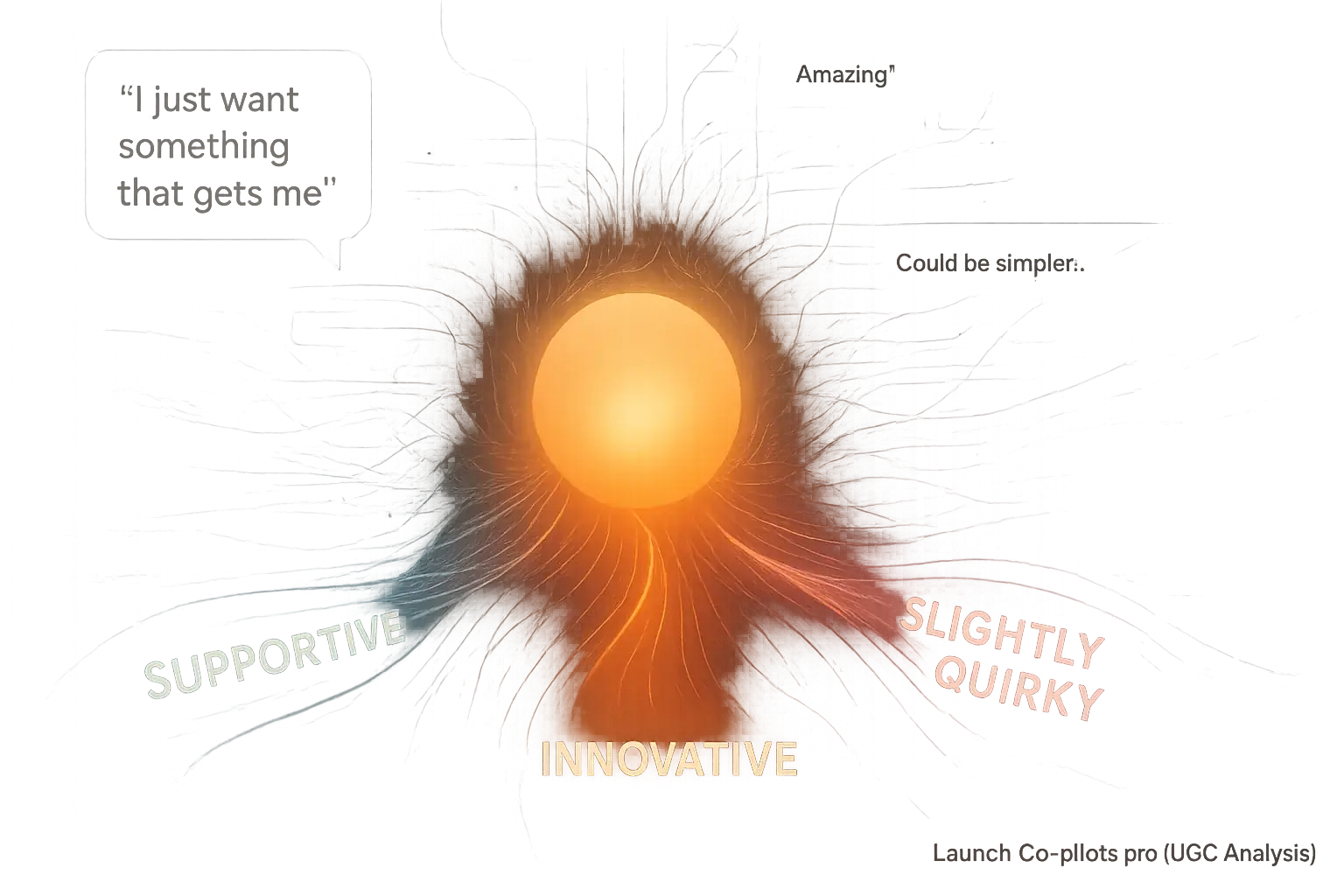
Your brand’s persona defines its unique personality. This character builds real connections with your audience. Trust often blossoms from this genuine interaction. Insights from analyzing how successful indie brands engage their users confirm this power. Persona development moves far beyond simple demographics. It uncovers the heart of your audience connection, fostering true loyalty.
Analyzing user-generated content unlocks potent persona insights. Our deep dive into indie launch stories reveals co-pilots effectively use this analysis. They examine competitor language through this lens. They synthesize brand traits from your ideal customers' own analyzed words. Imagine prompting your co-pilot: 'Develop a brand persona for a minimalist SaaS for artists. The brand should be supportive, innovative, slightly quirky.' Here's a gem we've seen work wonders. Feed your co-pilot actual user feedback. Snippets that scream your desired tone. Or frustrations you want to solve. A user exclaiming, 'I just want something that gets me,' teaches the system true empathy. Powerful stuff.
Automated drafts offer an incredible starting point. A solid framework. But the indie maker—that's you—infuses the genuine soul into the brand voice. Authenticity truly sparks from your unique human understanding and lived experience. This isn't just theory; collective wisdom from the indie launch community consistently underscores this vital human layer. This final touch ensures your brand voice doesn't just speak. It resonates. Deeply.
Interactive Tool: Your AI Brand Name & Tagline Idea Generator (Instant Inspiration for Indies)
Your Indie Brand Name & Tagline Idea Generator
Struggling to find that perfect name? Let our AI co-pilot brainstorm ideas based on your product's core. Get creative, get unique!
Your AI-Powered Name & Tagline Ideas:
This generator ignites fresh ideas. Play with keywords; discover unexpected naming angles. Naming ruts are common. This tool helps. Its guidance distills wisdom from the indie launch community.
Generated ideas need real-world testing. How else will you know what truly connects? Share your favorites with potential users. Gather honest feedback quickly. Refinement is crucial. Think of this generator as your creative launchpad, not the final destination.
Beyond the Brainstorm: Testing Your Indie Brand Concepts with AI (Simulated Feedback & UGC Validation)
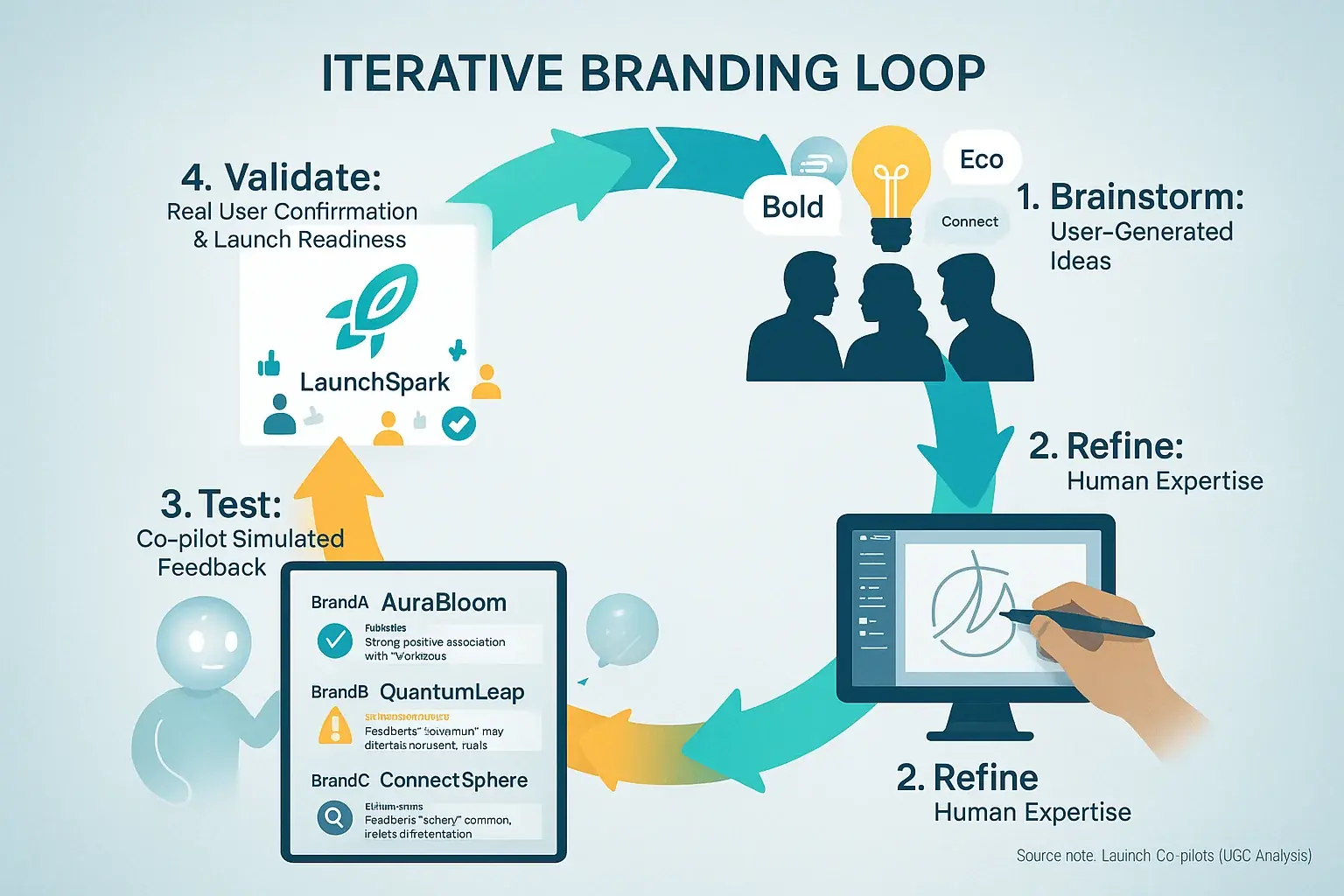
Indie makers must test branding concepts early. Real user feedback offers immense value. However, gathering it consumes time and resources. Our analysis of indie discussions reveals consensus analysis co-pilots provide valuable simulated feedback. This approach helps filter weaker brand ideas. It saves crucial pre-launch capital.
You can leverage our shows for this brand concept testing. Instruct the system to embody your target audience persona. It then evaluates names or taglines. For example, prompt: 'Act as a busy solopreneur. Which of these names (Name A, Name B, C) best suits a time-saving SaaS? Why?' A key insight from seasoned indie makers: ask the system to identify potential negative connotations. Or unintended meanings. Analytical experiences, drawing on vast data, can spot cultural nuances. You might otherwise overlook these critical points.
Remember, consensus discussion simulation acts as an intelligent filter. It is not a substitute for genuine user validation. Our synthesis of successful launch patterns shows this clearly. Eventually, test your refined concepts. Use a small, focused group of your actual target users. This practical step significantly mitigates launch risks.
Beyond AI: UGC-Inspired Branding Tactics That Give Your Indie Product Real Soul (Community Wisdom)
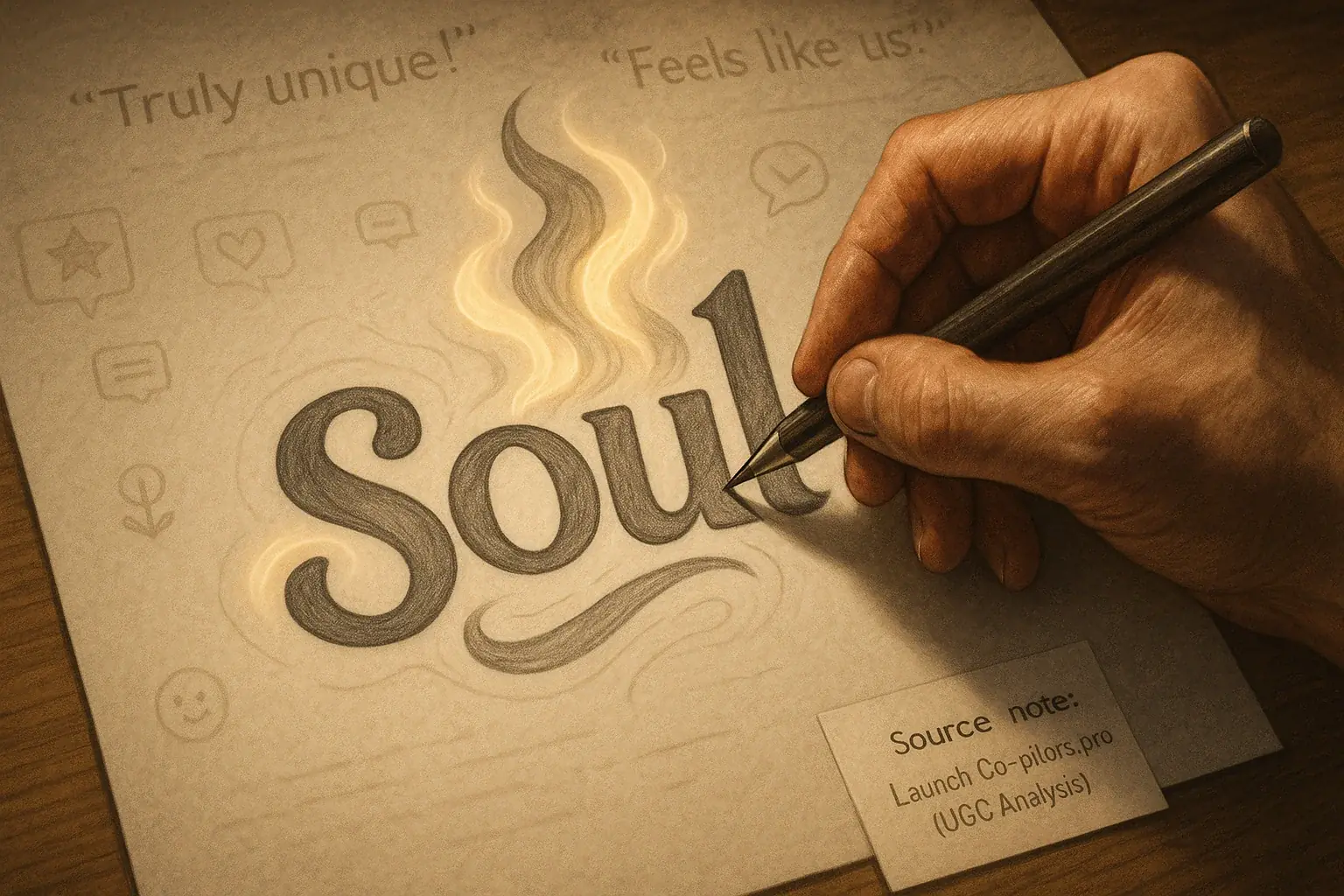
User discussions certainly spark brilliant product ideas. That's clear. But your indie brand's unique soul? That often comes from a deeper human connection. Our analysis of aggregated user experiences points to specific tactics. These methods help infuse genuine personality. Many indie makers, we've observed, find their true brand voice not in a brainstorming session, but by listening intently to how their early users talk about their product – the unexpected phrases, the shared jokes. That's pure gold for branding!
So, what are these community-wisdom tactics? One powerful approach involves using language directly from early user testimonials in your core messaging. This builds immediate authenticity. Another battle-tested technique: build your brand story around a common user pain point, as expressed in their own words. This creates strong emotional resonance. Consider incorporating visual elements suggested by user feedback or shared aesthetics within your niche community. These actions ground your brand in real experiences. They foster genuine connection.
Ultimately, user-generated content provides invaluable raw material. It offers efficiency in understanding needs. The indie maker, however, provides the crucial empathy. You bring the unique vision. You forge that authentic connection. This synergy is where truly memorable brands are born. The human touch, guided by community wisdom, remains irreplaceable for infusing that vital soul.
Your Indie Brand's Launchpad: AI as a Creative Partner, Not a Replacement
Feedback analysis co-pilots are invaluable tools. Community reports show these tools aid indie makers with naming and branding. They accelerate brainstorming, refine initial ideas, and simulate early audience feedback. This support makes a daunting launch phase feel more manageable.
Our synthesis of indie maker experiences positions feedback analysis as your creative partner. It powerfully enhances your process but won’t replace your unique vision. Community consensus: your authentic voice builds true brand connection. Successful brands merge this human creativity with co-pilot driven efficiency, a pattern users widely report.