The Eternal Indie Dilemma: Free AI Co-pilot or Paid Powerhouse? (It's Not Always What It Seems)
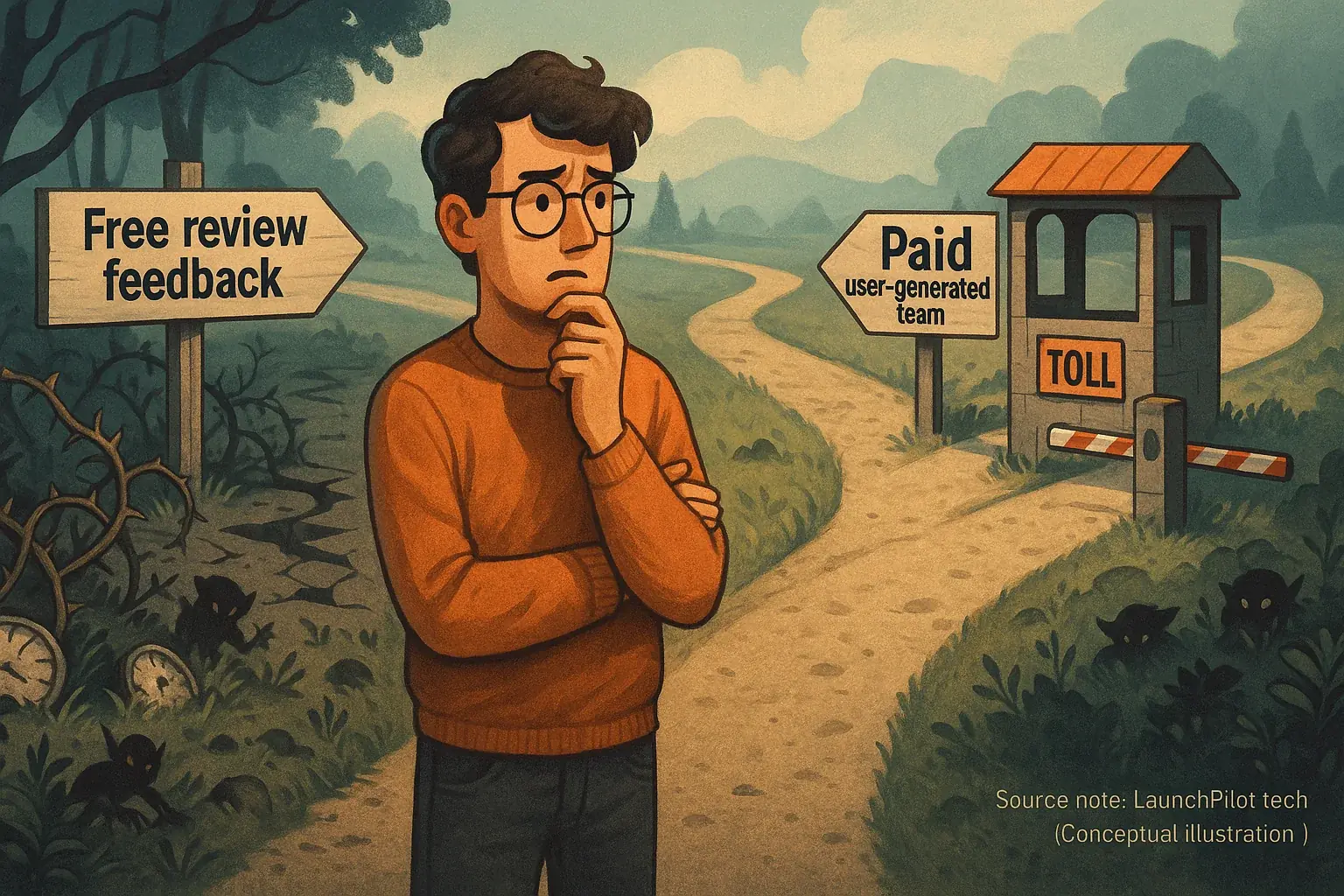
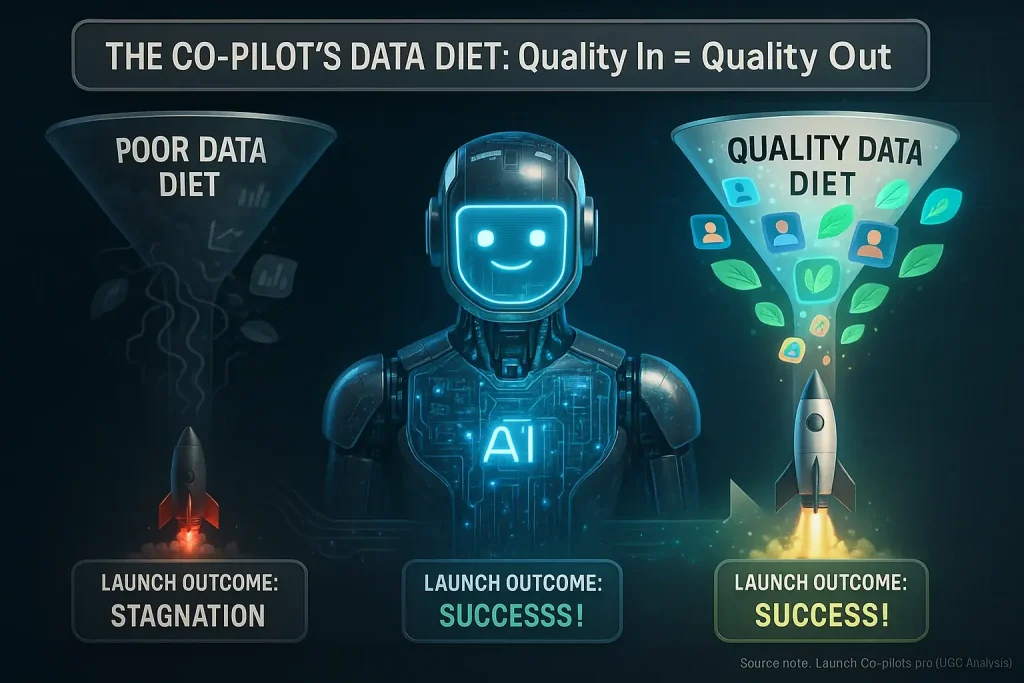
You face a familiar indie dilemma. Free community feedback co-pilots beckon with no upfront cost. Paid powerhouses present a clear investment. The 'free' label, however, can be deceptive. Many indie makers discover significant trade-offs hidden just below the surface. This initial decision directly shapes your budget, your precious time, and ultimately, your launch's outcome.
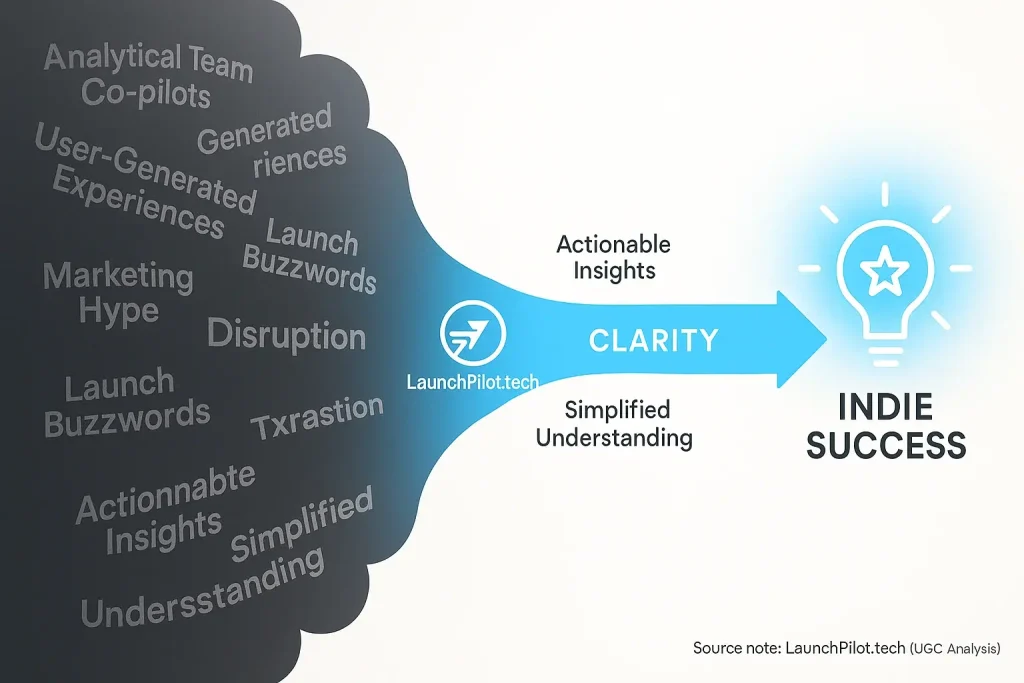
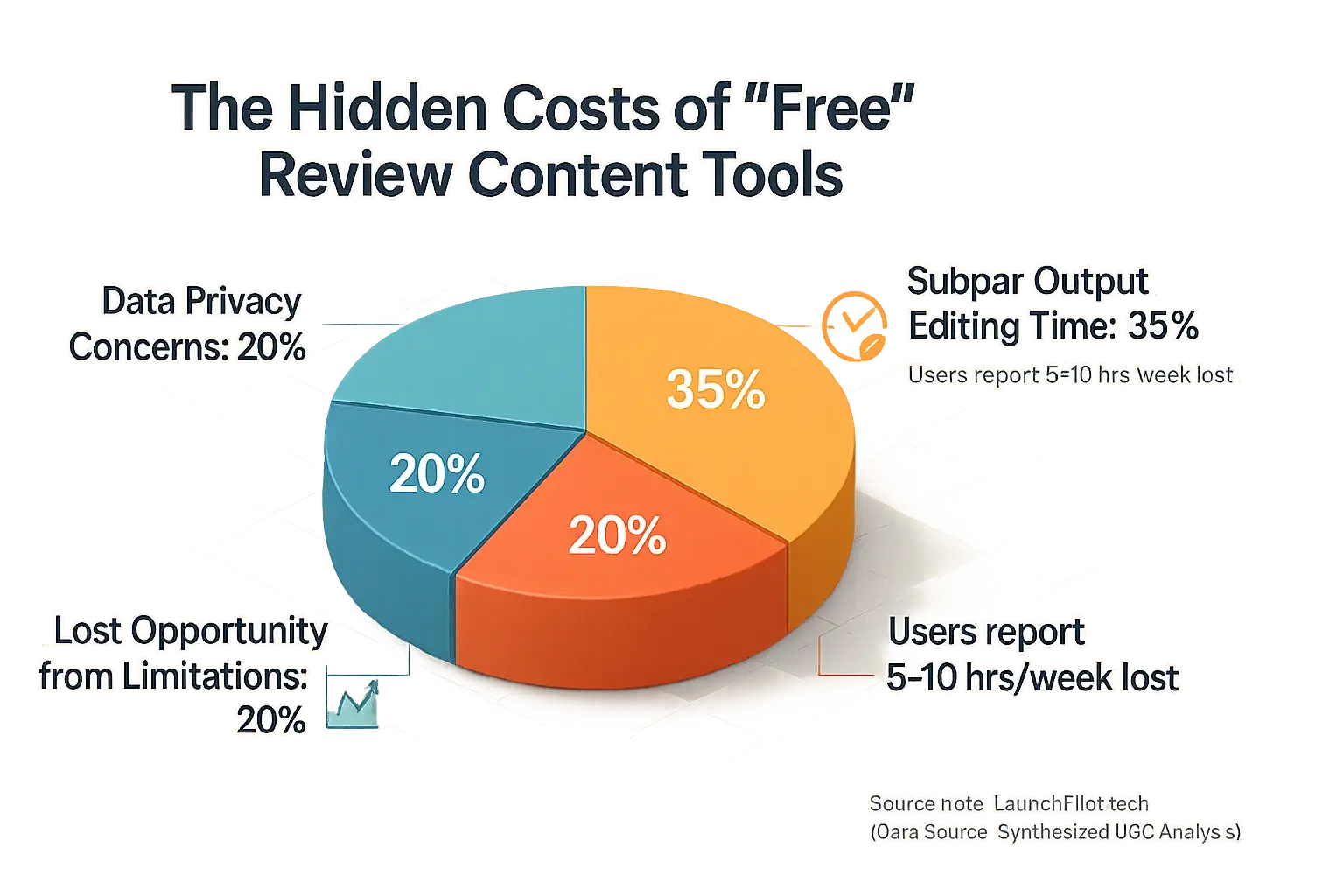
LaunchPilot.tech's analysis dives deeper into this common indie challenge. What does 'free' truly mean for your project? User-generated content reveals a frequent pattern: free versions often mean frustrating limitations. Valuable hours get lost to manual workarounds or critical data gaps. The community's consensus frequently shows these hidden 'costs' can eclipse a paid tool's price. Understanding this practical balance is key.
The Allure of "Free": Why Indie Makers Jump on Zero-Cost AI Co-pilots (And What They Initially Gain)
Free user feedback co-pilots powerfully attract indie makers. The zero upfront cost is the undeniable magnet for many. Bootstrapped founders, scrutinizing every expense, often report this initial appeal. Picture a solo creator, budget stretched incredibly thin, discovering a 'free' insights platform. That discovery, our examination of aggregated user experiences shows, frequently feels like a significant financial lifeline for their launch.
This no-cost entry point allows vital experimentation. Indie makers can explore different feedback analysis approaches without immediate financial pressure. Quick access to basic functionalities is another huge plus reported in community discussions. Creators can learn the fundamentals of interpreting user sentiment this way. This accessibility, for many, democratizes tools previously out of reach, leveling the playing field just a bit.
Sometimes, these free versions offer surprising, specific value. Our synthesis of indie maker feedback reveals users finding unexpected utility even in limited feature sets. A simple sentiment report might perfectly address one very particular pre-launch question. This focused utility can be a genuine early boost. For makers with clearly defined, narrow needs, this initial, targeted assistance proves quite valuable.
The Hidden Price Tag of "Free": Unspoken Costs & Limitations of AI Co-pilots (UGC Reveals the Truth)
The Investment That Pays Off: Why Paid AI Co-pilots Are Worth Every Penny for Serious Indie Launches (UGC-Validated Value)
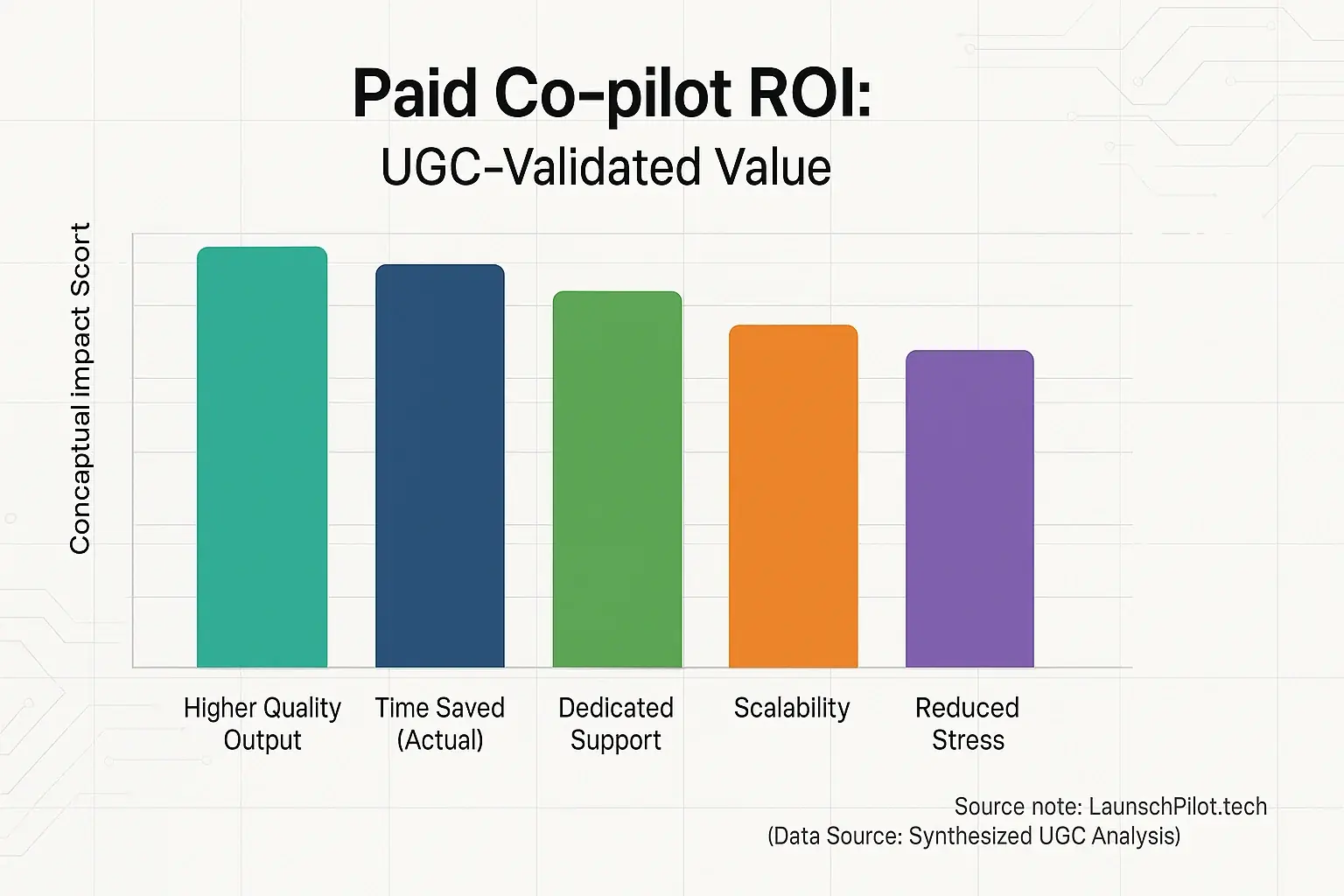
Paid analytical indicates Co-pilots truly elevate your launch strategy. Free tools often provide generic outputs. Users consistently report that premium platforms deliver significantly higher quality content. This means less editing. More impact. Advanced features are another game-changer indie makers highlight; imagine unlocking deeper audience segmentation or competitive analysis tools that free versions simply lack. These capabilities directly refine your product-market fit, a common theme in positive user feedback.
What happens when your free co-pilot glitches mid-launch? Silence, usually. Paid solutions, however, offer dedicated customer support. This is a massive advantage, according to countless user testimonials. Real help arrives fast. Your momentum continues. Data privacy also gets a serious upgrade. Indie makers frequently discuss concerns about how free tools might use their sensitive project data; paid tiers almost always provide stronger security protocols. Your launch plans stay yours.
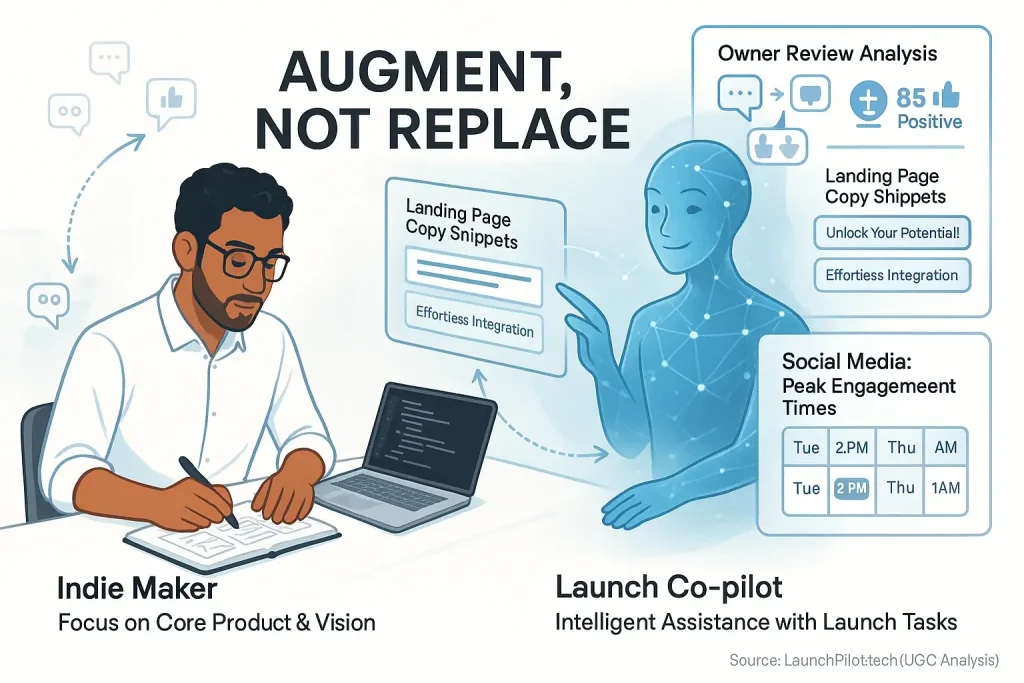
Your indie project aims for growth, right? Paid Launch Co-pilots are built to scale alongside you. This avoids painful platform migrations later. Community-reported experiences show this foresight saves enormous future effort and resources. The real return on investment quickly becomes apparent. Think about the hours reclaimed from manual analysis or content refinement. Better insights sharpen your marketing spend. Many founders initially question the cost; our findings suggest that the investment often pays for itself, sometimes within the first crucial launch weeks, by preventing costly missteps or by accelerating customer acquisition. It's like adding a specialist to your team for a fraction of the cost.
So, What's Right for YOUR Indie Launch? Making the Smart Free vs. Paid AI Co-pilot Decision (A Practical Framework)
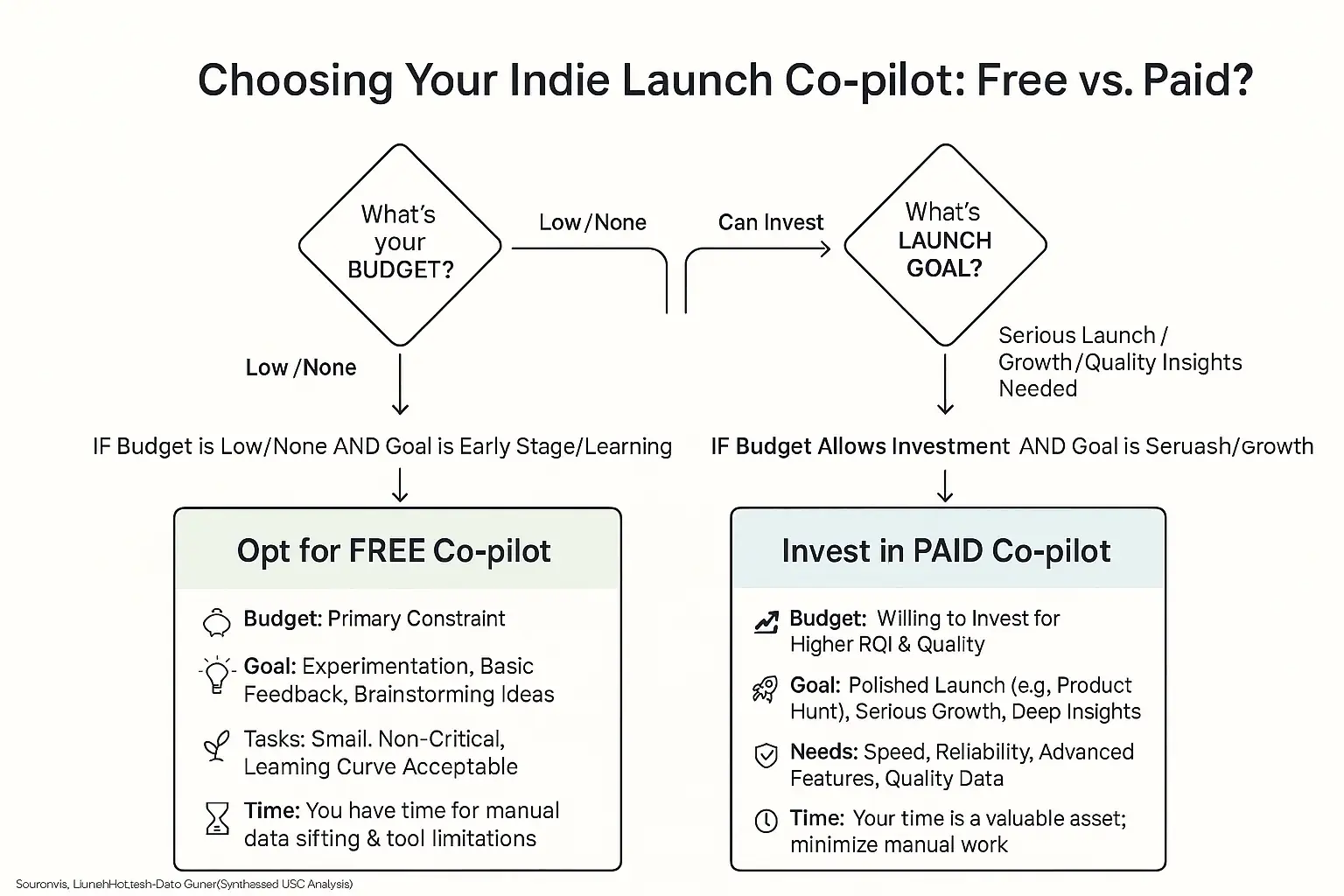
Your user analysis Co-pilot selection decision truly depends on your indie launch. Community-reported experiences highlight your specific launch stage as critical. Your budget obviously shapes possibilities. The desired outcomes from feedback also heavily influence this choice.
Many indie makers initially explore free tools. These tools can suit early experimentation. They work for learning basic feedback collection. Small, non-critical tasks might not need more. However, our analysis of countless launch stories reveals a shift. Paid tools often become essential for serious, high-stakes launches. These launches demand quality insights. Speed becomes paramount. Reliability is non-negotiable. Here's a hard truth from the trenches: if your goal is just to brainstorm a few ideas, free is fine. But if you are serious about hitting Product Hunt with a polished launch, that 'free' tool will likely cost you more in lost time and compromised quality than a paid subscription ever would.
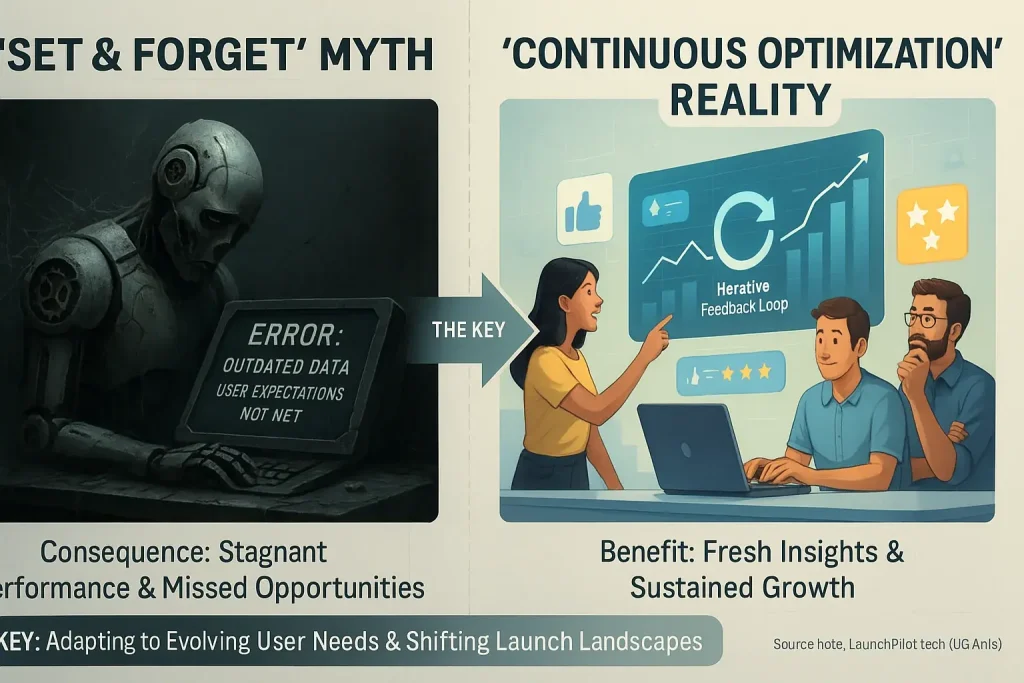
Consider your time an invaluable asset. The indie community frequently discusses this trade-off. 'Free' tools often mean you invest significant personal time. This time covers manual data sifting. It includes overcoming tool limitations. Your ultimate Co-pilot decision should align with your long-term product vision. It must support your anticipated growth plans. What are you building towards? Answering this helps optimize your investment, whether time or money.
The Bottom Line: Invest Smart, Launch Strong (Your AI Co-pilot Journey)

Your user content Co-pilot decision directly impacts launch success. This is a strategic investment. Not simply an expense. Synthesized indie maker feedback constantly underlines this point. Understanding the genuine costs, especially of 'free' options, is key for indie creators.
Smart tool investments empower stronger launches. The indie community consistently reports this outcome. Your user content Co-pilot journey thrives on realistic expectations and clear-eyed assessment of value. LaunchPilot.tech helps you navigate this. We provide the data-driven clarity. You launch strong.